US FCC's unilateral power over space projects threatens global night sky
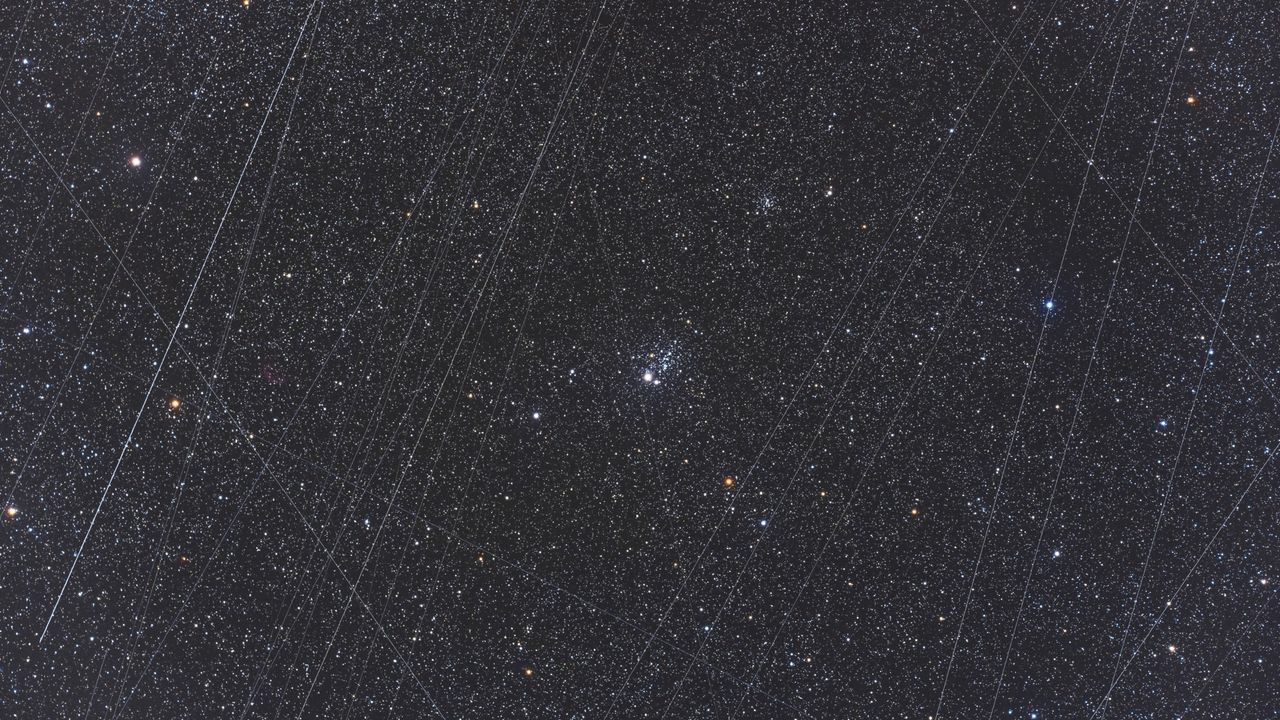
The U.S. Federal Communications Commission (FCC) possesses the authority to unilaterally approve space projects that could significantly alter the night sky for people worldwide. This means that a single U.S. agency's decision can have a global impact on astronomical observation and the visual experience of the night sky. The international community currently has limited recourse or power to prevent or influence such decisions made by the FCC. This situation highlights a potential gap in international space governance, where national regulatory bodies can make decisions with far-reaching extraterrestrial consequences without robust international oversight or consensus. The current legal and regulatory frameworks appear insufficient to address the challenges posed by the increasing number of private space ventures and their cumulative effect on the celestial environment visible from Earth.
The U.S. FCC's singular authority to approve space projects with global implications raises questions about the adequacy of current international space law and governance structures. As private companies launch an increasing number of satellites, the cumulative effect on light pollution and astronomical observation could become a significant issue. This scenario underscores a potential conflict between national regulatory autonomy and the shared global commons of the night sky. Future frameworks may need to balance national economic interests and technological advancement with the collective right to preserve astronomical resources and the natural beauty of the cosmos for future generations. The challenge lies in developing mechanisms that allow for innovation while ensuring responsible stewardship of space.
AI-generated to prompt reflection — not editorial opinion, not advice, not a statement of fact. How this works.