US Federal Judge Sets June 1, 2027, for Nicolás Maduro's Trial
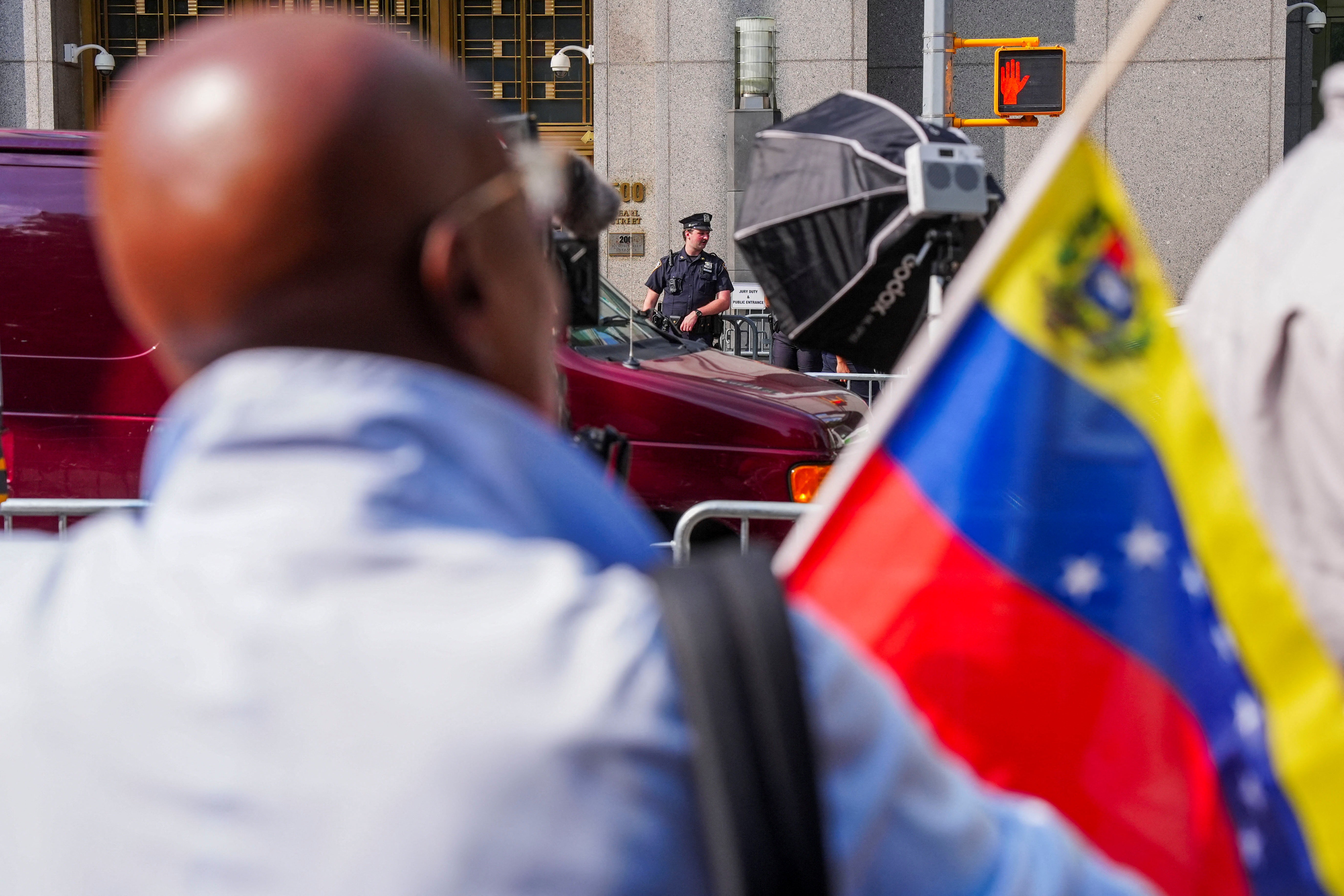
A U.S. federal judge has scheduled the trial for former Venezuelan leader Nicolás Maduro and his wife, Cilia Flores, to commence on June 1, 2027. The decision was made during a hearing in the Southern District of New York on Wednesday, July 22, 2026, where both Maduro, 63, and Flores were present. They face charges including drug trafficking and other offenses. U.S. District Judge Alvin Hellerstein set the trial date following a joint request from the prosecution and defense, submitted in a letter to the court the previous day. The hearing also addressed procedural matters related to the criminal proceedings. According to the defense's timeline, Maduro's legal team may submit a second round of motions by January 11, 2027, after prosecutors provide classified evidence for review. Maduro and Flores arrived at the courthouse after being released from the Metropolitan Detention Center in Brooklyn earlier that morning. The couple was reportedly apprehended by U.S. forces in Caracas on January 3, 2026, during a military operation. Maduro has been held in the U.S. awaiting trial and has declared himself a "prisoner of war," pleading not guilty to charges of conspiring to commit "narcoterrorism," importing cocaine, and possessing firearms and explosives. In April, Washington permitted Venezuela to fund the legal defense for Maduro and Flores, lifting a previous sanction-related prohibition.
The scheduling of Nicolás Maduro's trial in a U.S. federal court, set for June 1, 2027, highlights the complex interplay of international law, national sovereignty, and the pursuit of justice. The legal proceedings, encompassing charges of drug trafficking and "narcoterrorism," suggest an attempt by the U.S. to assert jurisdiction over alleged transnational criminal activities. The timeline, extending over two years from the initial hearing, reflects the intricate legal processes involved, including evidence disclosure and motion filings, particularly concerning classified information. This case underscores the challenges in extraditing or prosecuting high-profile political figures accused of international crimes, and the potential for such trials to become geopolitical focal points. The U.S. government's decision to allow Venezuela to fund the defense indicates a pragmatic approach to ensuring due process, while simultaneously maintaining its legal pursuit. Future developments will likely be shaped by evolving diplomatic relations and the strategic interests of involved nations.
AI-generated to prompt reflection — not editorial opinion, not advice, not a statement of fact. How this works.