US Federal Reserve Holds Interest Rates Steady
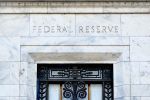
The US Federal Reserve has decided to keep its benchmark interest rates unchanged, maintaining the target range between 3.50% and 3.75%. This marks the third consecutive meeting where the central bank has opted not to adjust rates. The decision was widely anticipated by financial markets, which have been closely monitoring economic indicators for signs of inflation and growth. The Fed has been navigating a complex economic landscape, balancing the need to control inflation with concerns about potential economic slowdown. The current rate level has been in effect since December, reflecting a period of sustained monetary policy. Future rate decisions will likely depend on incoming economic data, including inflation reports, employment figures, and consumer spending trends. Policymakers have emphasized their data-dependent approach, suggesting flexibility in their future actions.
The Federal Reserve's decision to maintain interest rates reflects a cautious approach to monetary policy, balancing inflation control with economic stability. This stance suggests the Fed is observing evolving economic conditions, potentially awaiting clearer signals on inflation's trajectory and the resilience of economic growth. The prolonged period of unchanged rates highlights the inherent trade-offs in monetary policy: tightening too aggressively risks stifling economic activity, while easing too soon could reignite inflationary pressures. Future policy will likely be shaped by the interplay of global economic dynamics, domestic labor market strength, and the persistent influence of technological advancements on productivity and price levels. Investors and businesses will need to remain agile, adapting to a policy environment that prioritizes data-driven adjustments over predetermined paths.
AI-generated to prompt reflection — not editorial opinion, not advice, not a statement of fact. How this works.