US Federal Reserve Holds Interest Rates Steady at 3.50%-3.75%
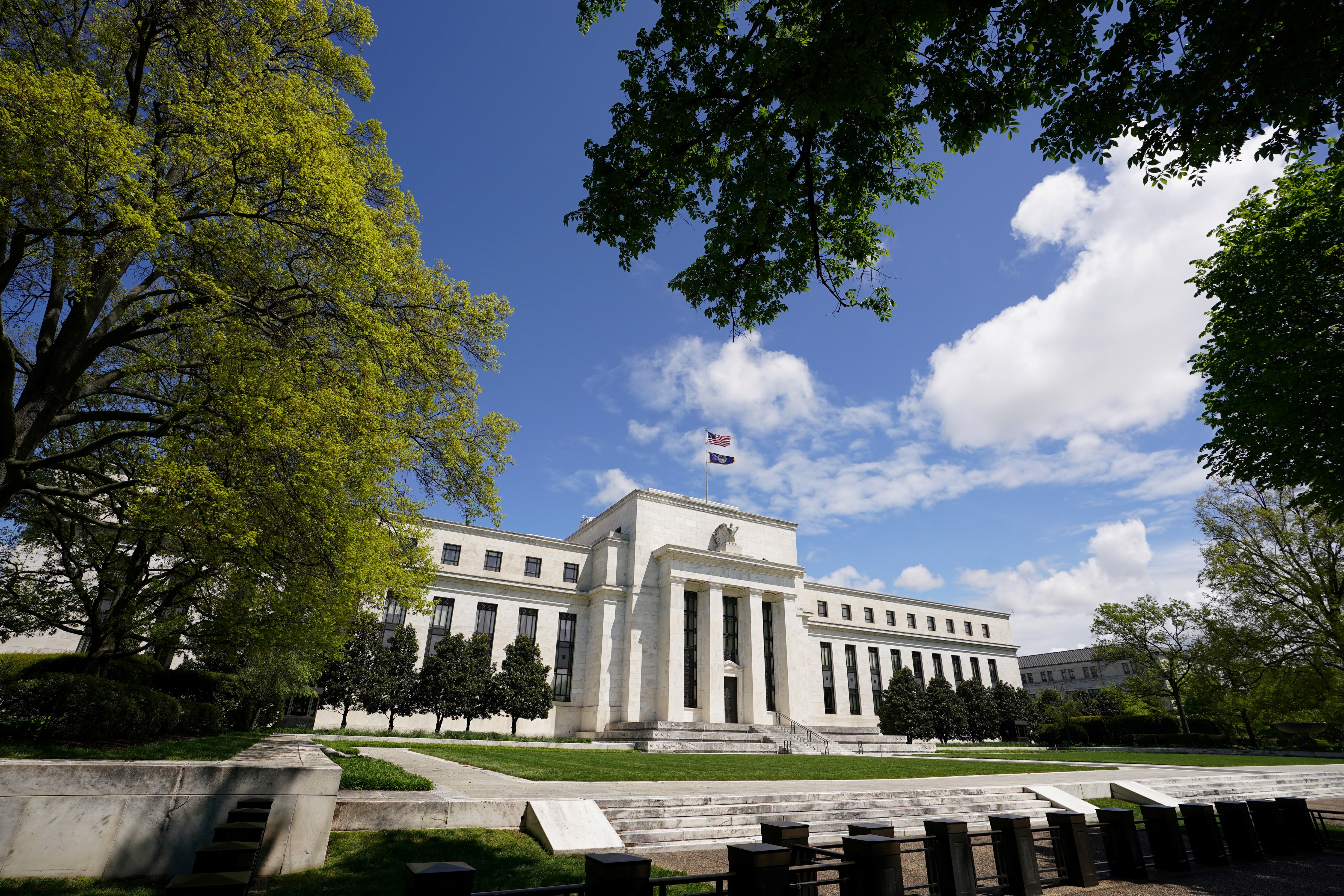
The U.S. Federal Reserve announced on Wednesday, November 29th, that it will maintain its benchmark interest rate within the range of 3.50% to 3.75% per year. This decision marks the fifth consecutive meeting where the central bank has kept rates unchanged, aligning with financial market expectations. The Fed's decision was influenced by persistent high oil prices, exacerbated by the ongoing conflict in the Middle East, which heightens concerns about inflation. The Federal Open Market Committee (FOMC) noted that economic activity continues to expand at a solid pace despite significant uncertainty, partly due to the Middle East conflict. This U.S. monetary policy has implications for Brazil, as elevated U.S. rates increase pressure for the Brazilian Selic rate to remain high and affect currency exchange rates. The current U.S. interest rate environment makes U.S. Treasury bonds attractive, drawing foreign investment to the U.S. and strengthening the dollar. This trend can reduce foreign investment in Brazil, weakening the Brazilian real against the dollar and contributing to inflationary pressures in Brazil, thus influencing the Brazilian Central Bank's decision to maintain high interest rates.
The Federal Reserve's decision to maintain interest rates reflects a delicate balancing act between controlling inflation and supporting economic growth amidst global uncertainties. The persistent influence of geopolitical events, such as the Middle East conflict, on commodity prices like oil highlights the interconnectedness of global markets and the challenges in forecasting inflation. For emerging economies like Brazil, the Fed's policy creates a dual pressure: maintaining higher domestic interest rates to retain capital and manage inflation, while simultaneously facing currency depreciation and imported inflation due to a strong dollar. This situation underscores the systemic challenge of managing national economies within a global financial system heavily influenced by major central bank decisions, particularly in an era where technological advancements and geopolitical shifts are rapidly reshaping economic landscapes.
AI-generated to prompt reflection — not editorial opinion, not advice, not a statement of fact. How this works.