US Finalizes Overhaul of Foreign Journalist Visas, Ending 'Duration of Status' System
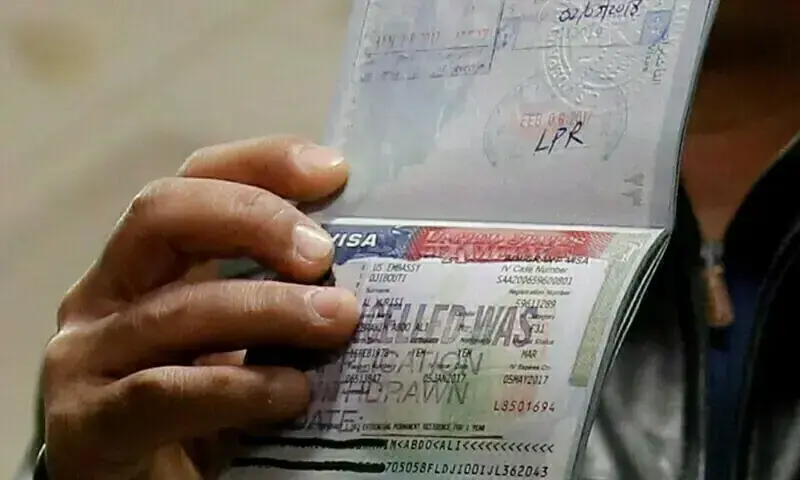
The Trump administration has finalized a significant overhaul of US visa regulations for foreign journalists, replacing the long-standing "duration of status" system with fixed-term admissions. This change, announced by the Department of Homeland Security (DHS), mandates periodic government reviews for reporters to continue working in the United States. Under the new policy, journalists holding I visas will generally be admitted for a maximum of 240 days, a departure from previous arrangements that allowed stays for the duration of their assignments, which could extend for several years. Notably, journalists from China will face a more restrictive limit of 90-day admissions. The rule is set to take effect 60 days after its publication, with a transition period commencing in September 2026. Foreign journalists requiring an extended stay beyond their initial admission period must apply for an extension and undergo additional vetting, including national security reviews. While such an extension application is pending, most foreign journalists can continue working for up to 240 days, with Chinese journalists limited to 90 days. These visa modifications are part of a broader DHS regulation impacting F (academic students) and J (exchange visitors) visas as well, standardizing fixed admission periods and new extension procedures. DHS asserts these changes enhance oversight and compliance monitoring for foreign students, exchange visitors, and media representatives. Press freedom advocates have voiced strong criticism, arguing that the requirement for repeated government approval could impede independent reporting and create avenues for political interference in newsgathering. The Reporters Committee for Freedom of the Press warned that such a system might allow for visa renewals to be denied in retaliation for critical reporting, effectively placing government officials in a position to judge journalistic legitimacy.
This regulatory shift from "duration of status" to fixed-term visas for foreign journalists and other nonimmigrant groups introduces a new layer of governmental oversight. By requiring periodic renewals and additional vetting, the policy potentially increases the leverage of immigration authorities over foreign media operations within the US. While framed as an enhancement of security and compliance, critics suggest this could create a chilling effect on press freedom, as journalists might self-censor to avoid potential non-renewal of their visas. The long-term implications involve a rebalancing of the relationship between foreign press and the host government, potentially influencing the scope and critical nature of international reporting originating from the United States. Future developments may reveal whether this policy leads to greater adherence to visa terms or inadvertently curtails the free flow of information and independent journalism.
AI-generated to prompt reflection — not editorial opinion, not advice, not a statement of fact. How this works.