US Fire Departments Phase Out Cancer-Linked Foam Extinguishers
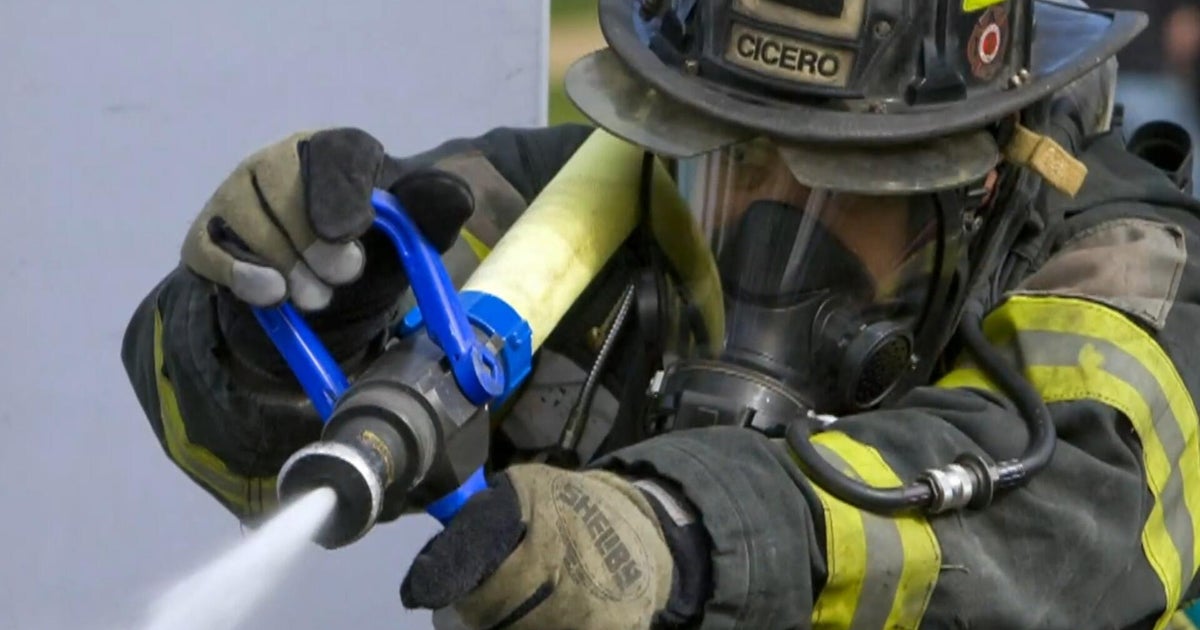
Fire departments across the United States are actively transitioning away from using fire extinguishing foams that contain "forever chemicals." These substances, known as per- and polyfluoroalkyl substances (PFAS), have been definitively linked to increased cancer risks. The urgency to remove these hazardous materials is growing, with over a dozen states now implementing comprehensive programs. These initiatives focus on the collection, removal, and safe destruction of the problematic foam. The move signifies a major shift in firefighting practices, driven by growing awareness of the long-term health implications associated with these chemicals. The process involves significant logistical challenges and costs for departments nationwide. The goal is to protect both firefighters and the public from the carcinogenic effects of PFAS exposure.
The widespread adoption and subsequent phase-out of PFAS-containing firefighting foam highlight a critical challenge in managing legacy chemical risks. Regulatory bodies and industry stakeholders face the complex task of remediating environmental contamination and mitigating public health impacts stemming from decades of use. This situation underscores the need for proactive chemical assessment and the development of safer, sustainable alternatives in critical safety equipment. Future policy and industry standards will likely emphasize lifecycle management, encouraging the design of materials with reduced environmental persistence and toxicity to prevent similar public health crises.
AI-generated to prompt reflection — not editorial opinion, not advice, not a statement of fact. How this works.