US Firm Honeywell Proposes Refinery Modernization for Pakistan
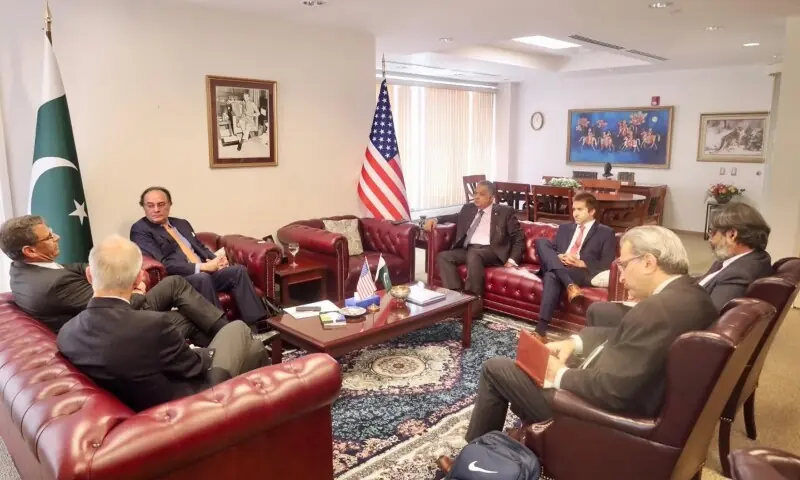
Pakistan's Finance Minister, Senator Muhammad Aurangzeb, met with a delegation from US technology firm Honeywell Technologies in Washington on Monday. The delegation, including Vice President General Manager Barry Glickman, presented a plan to modernize and expand Pakistan's refinery sector. Minister Aurangzeb welcomed the proposal, highlighting its potential to increase domestic refining capacity and decrease reliance on imported petroleum products. Discussions also covered Honeywell's technology and equipment solutions, along with potential financing avenues. These financing options include the US Exim Bank, the US International Development Finance Corporation (DFC), export credit agencies, and major international banks. The finance minister stressed that this initiative would bolster Pakistan's energy security, industrial development, and sustainable economic growth. This meeting occurred during Aurangzeb's three-day visit to Washington, focused on trade, investment, and economic cooperation with US officials and financial institutions. The visit also includes discussions on a broader economic partnership, tariffs, market access, and expanding bilateral trade, alongside meetings with the US Trade Representative, US ExBank, DFC, and the IMF. These engagements aim to secure funding for infrastructure, energy, and private-sector projects in Pakistan.
This proposal signifies a potential strategic shift for Pakistan's energy infrastructure, aiming to enhance self-sufficiency and reduce import dependency. The involvement of US financial institutions like Exim Bank and DFC suggests a framework designed to de-risk investment and align with broader US economic diplomacy objectives in the region. From a systemic perspective, such modernization efforts are crucial for developing economies to navigate global energy market volatility and meet growing domestic demand. However, the long-term success will depend on effective implementation, transparent governance of the modernization process, and the sustainable integration of new technologies within Pakistan's existing energy framework, considering both economic viability and environmental impact in the coming decade.
AI-generated to prompt reflection — not editorial opinion, not advice, not a statement of fact. How this works.