US Firms Oppose Tariffs on Brazilian Goods Amid Trade Investigation
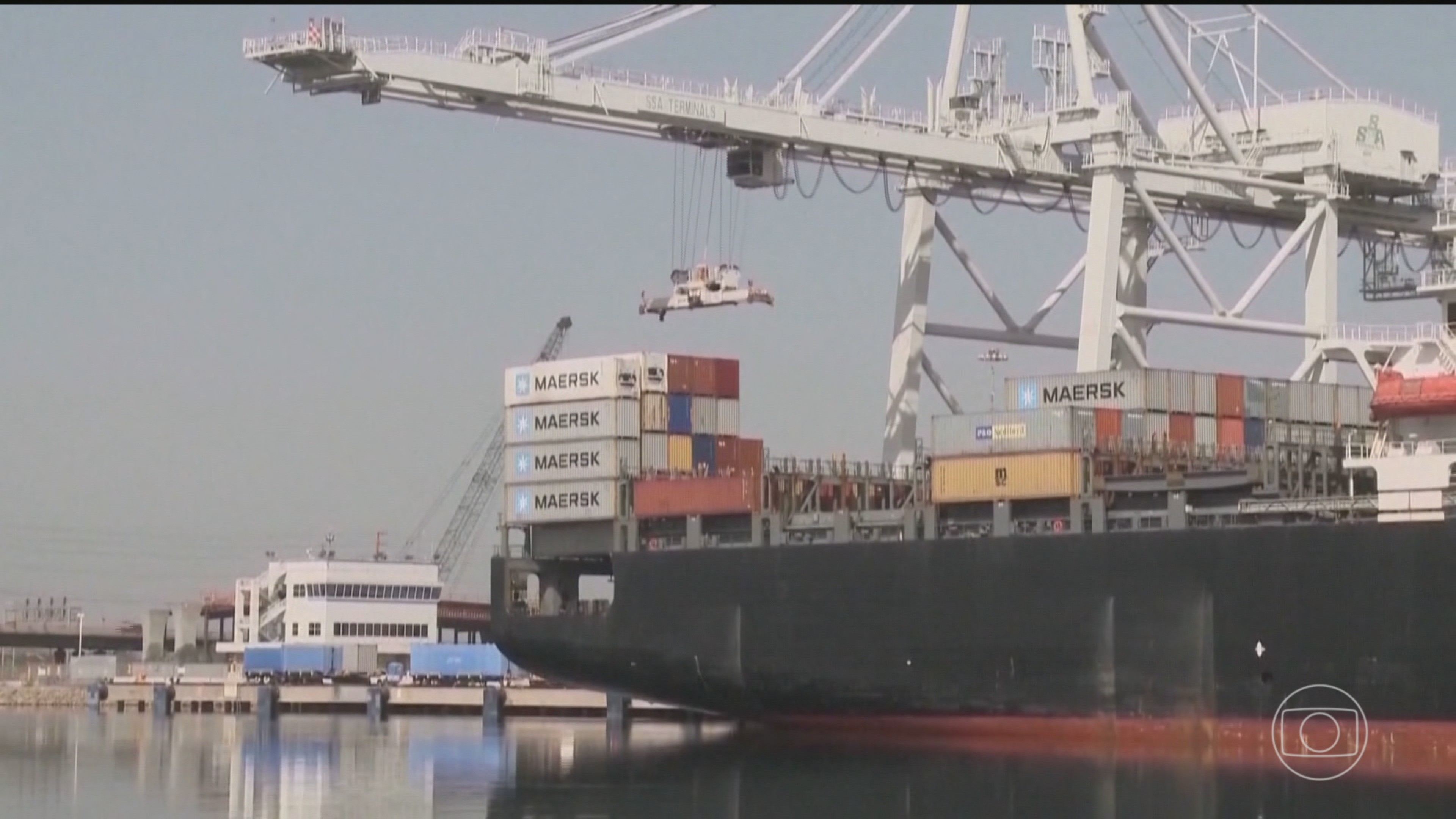
Brazil's Ministry of Foreign Affairs has identified 43 American companies and trade associations that are urging against the imposition of tariffs on Brazilian products. These entities have submitted requests to the Office of the United States Trade Representative (USTR) arguing that domestic substitutes for these goods are unavailable in the U.S. market. They also warned that implementing such tariffs would increase costs for American consumers and for U.S. industries that rely on these products as inputs for their manufacturing processes. This information is detailed in Brazil's official response to the USTR investigation, which accuses Brazil of trade-restricting practices that could lead to a 25% additional tariff on Brazilian goods. The USTR has initiated public hearings for this investigation, with participation open to interested parties. Representatives from various Brazilian and American sector associations, including coffee, rice, sugar, ethanol, iron ore, ornamental stones, wood, paper, footwear, honey, and intellectual property, have participated. Abrão Neto, president of the American Chamber of Commerce for Brazil (Amcham), stated that new tariffs would harm both economies, negatively impacting U.S. producers and consumers, and diminishing the competitiveness of Brazilian exports. He noted that the U.S. share of Brazil's total trade fell to 11.2% in the first five months of 2026, the lowest on record, with U.S. imports to Brazil also declining by 11% in the same period. This suggests that additional tariffs could further reduce U.S. commercial presence and economic influence in Brazil, potentially benefiting foreign competitors. Some participating companies believe new tariffs are likely but hope their scope will be adjusted to mitigate impacts on the U.S. economy. A key argument is that higher import costs for Brazilian products could increase U.S. supply chains' dependence on China, contradicting the Trump administration's trade strategy. The USTR investigation cites issues such as PIX's functionality, social media court decisions, trade agreements, deforestation, barriers to U.S. ethanol, intellectual property protection, and corruption. However, the U.S. has proposed exceptions for strategic products like coffee, certain meats, fruits, fertilizers, medicines, aircraft, and strategic minerals. The U.S. government is expected to make a decision on these measures by July 15.
The USTR's investigation into Brazilian trade practices and the potential imposition of tariffs highlight complex interdependencies within global supply chains. While the stated U.S. objective is to address alleged trade restrictions, the significant opposition from American businesses underscores the potential for retaliatory measures to disrupt domestic industries and consumer markets. The argument that tariffs could inadvertently increase reliance on Chinese inputs presents a strategic contradiction, potentially undermining broader geopolitical trade goals. As the U.S. navigates this process, balancing enforcement of trade regulations with the economic realities of its own market and international partnerships will be crucial. The outcome may shape future trade dynamics, particularly concerning the integration of emerging economies and the resilience of U.S. supply chains in an evolving global economic landscape.
AI-generated to prompt reflection — not editorial opinion, not advice, not a statement of fact. How this works.