US Forces Japan to Add Over 200 Personnel to Bolster Bilateral Cooperation
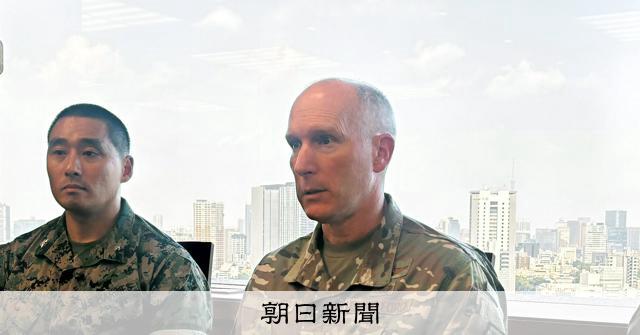
The United States Forces Japan (USFJ) headquarters is set to increase its personnel by over 200 individuals. This expansion aims to strengthen the cooperative relationship between Japan and the United States. The commander of USFJ discussed the strategic implications of this buildup, emphasizing its role in enhancing joint operations and readiness. The increase is expected to facilitate more integrated planning and execution of missions within the Indo-Pacific region. This move signifies a commitment to reinforcing the US-Japan alliance, a cornerstone of regional security. The additional personnel will likely be assigned to various operational and support functions, improving the efficiency and effectiveness of US military presence in Japan. The commander highlighted that this augmentation is a proactive measure to address evolving security challenges and ensure a robust defense posture. It underscores the importance of interoperability and seamless coordination between the two allied nations. The overall goal is to maintain peace and stability through enhanced deterrence and response capabilities.
The expansion of USFJ personnel by over 200 individuals signals a strategic recalibration of US force posture in the Indo-Pacific. This increase, framed as a measure to bolster Japan-US cooperation, reflects a broader geopolitical imperative to strengthen alliances in the face of evolving regional security dynamics. From a systems perspective, such force augmentation necessitates significant logistical and financial investment, impacting both US and Japanese defense budgets. The emphasis on enhanced interoperability suggests a drive towards more integrated command and control structures, potentially streamlining decision-making processes during crises. However, this also raises questions about the long-term sustainability of such increased commitments and the potential for unintended escalation risks inherent in a more militarized regional environment. The move aligns with a decade-long trend of prioritizing collective security arrangements over unilateral action, positioning the alliance as a critical node in a network designed to manage complex geopolitical competition.
AI-generated to prompt reflection — not editorial opinion, not advice, not a statement of fact. How this works.