US Founders' Vision Contrasts with Trump's Oligarchy Stance
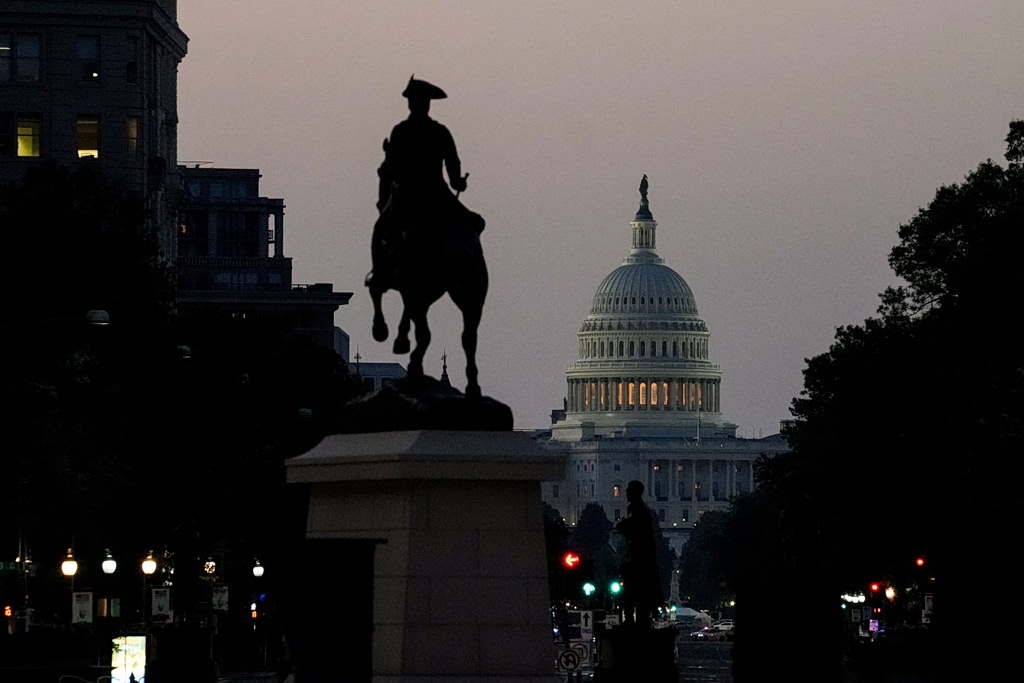
The administration of U.S. President Donald Trump asserts that restoring America's former "greatness" necessitates rejecting immigrants, aggressively employing tariffs, and removing any restrictions on wealth accumulation. However, the Declaration of Independence, and the vision of the Founding Patriots upon which it was based, advocates for precisely the opposite principles. The founders' vision, as articulated in foundational documents, emphasizes inclusivity and a balanced approach to economic and social structures, directly contrasting with the current administration's stated policies. This divergence highlights a fundamental debate about the nation's identity and its historical underpinnings. The core tenets of American independence were built on ideals that appear to be challenged by the current administration's agenda. The emphasis on rejecting immigrants and imposing tariffs suggests a protectionist and exclusionary approach. Conversely, the founding principles lean towards openness and a more equitable distribution of opportunities and wealth. The tension between these two perspectives raises questions about the future direction of the United States and its commitment to its original ideals.
The assertion that restoring American "greatness" requires rejecting immigrants and imposing tariffs presents a specific interpretation of national identity and economic policy. This perspective, attributed to the Trump administration, contrasts with the foundational ideals of the Declaration of Independence, which are described as advocating for opposing principles. The analysis suggests a potential disconnect between the current administration's policy objectives and the historical vision of the nation's founders. Examining this divergence through the lens of governance and economic theory reveals differing approaches to national prosperity and social cohesion. One perspective emphasizes inward-looking policies and protectionism, while the other, rooted in historical interpretation, suggests a more inclusive and open framework. Understanding the incentive structures driving these contrasting views is crucial for evaluating their potential long-term impacts on American society and its global standing in the coming decade.
AI-generated to prompt reflection — not editorial opinion, not advice, not a statement of fact. How this works.