US Gas Prices Surpass $4 Per Gallon Amidst Iran Tensions
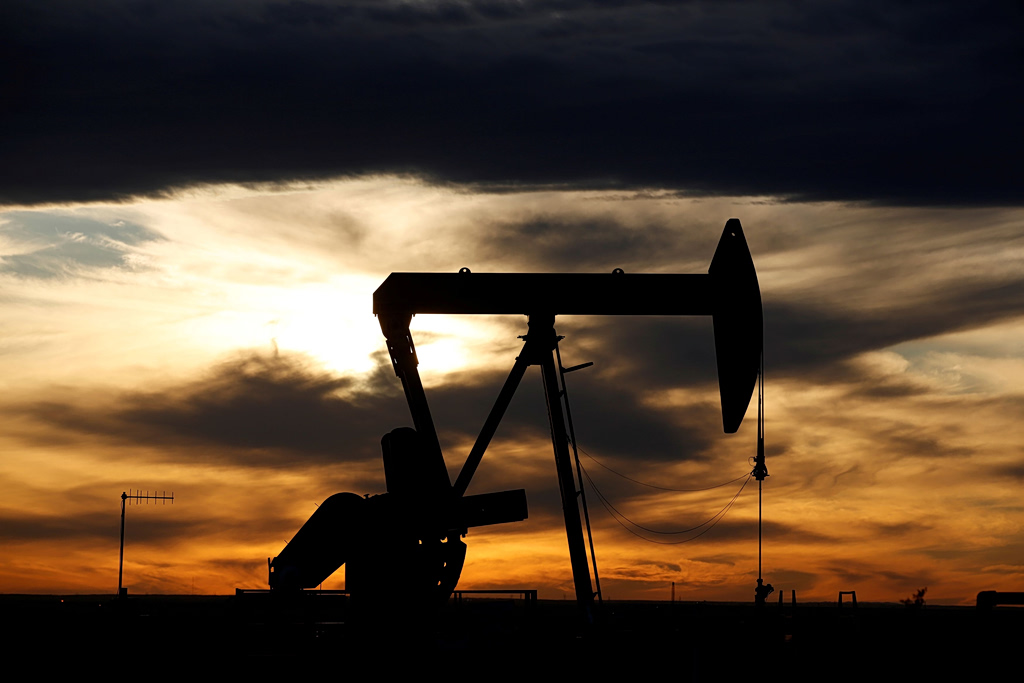
Gasoline prices in the United States have once again climbed above the $4 per gallon mark. This resurgence in fuel costs is linked to renewed hostilities between the U.S. and Iran, which are creating further disruptions in energy supplies. The Strait of Hormuz, a strategically vital waterway, is a critical chokepoint for global oil transportation. The escalating conflict is impacting energy flows through this crucial passage, contributing to the upward pressure on gasoline prices domestically. This development highlights the sensitivity of global energy markets to geopolitical instability, particularly in regions crucial for oil production and transit. Consumers are likely to feel the impact of these rising prices at the pump, potentially affecting household budgets and consumer spending.
The recent surge in U.S. gasoline prices above $4 per gallon, attributed to heightened U.S.-Iran tensions and potential disruptions in the Strait of Hormuz, underscores the persistent vulnerability of global energy markets to geopolitical events. This situation illustrates how regional conflicts can have immediate and significant ripple effects on commodity prices worldwide. As the world navigates an energy transition, such price volatility, driven by factors beyond market fundamentals, poses challenges for economic stability and policy-making. Future energy security will likely depend on diversifying supply routes, increasing domestic production resilience, and accelerating the adoption of alternative energy sources to mitigate the impact of such external shocks.
AI-generated to prompt reflection — not editorial opinion, not advice, not a statement of fact. How this works.