US Government Removes Energy Saving Guide Amidst Heatwaves
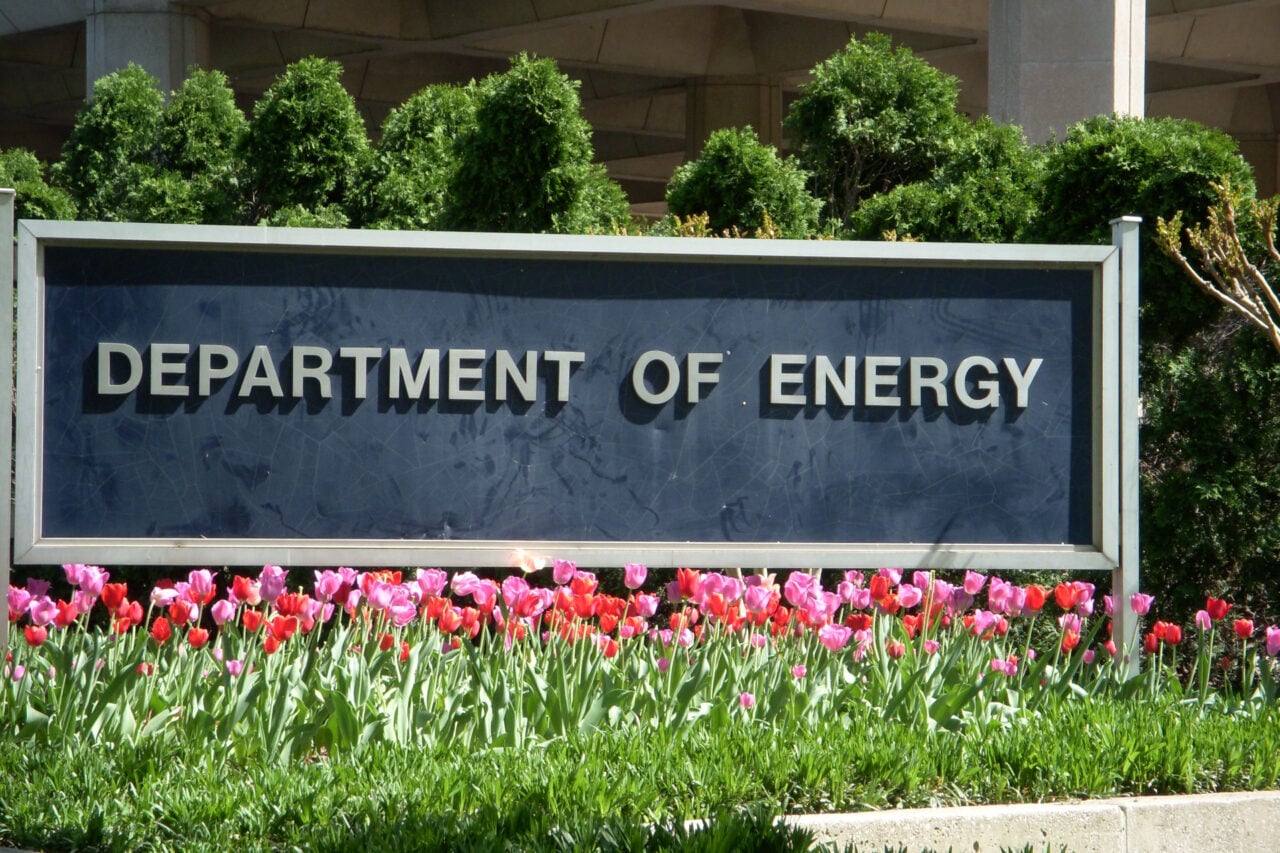
The United States government has quietly removed an official guide that offered actionable advice on how citizens can reduce their energy consumption. This removal occurred as the nation experienced significant heat waves, a period when energy conservation is particularly crucial. The guide, previously available on a government website, contained practical tips for homeowners and consumers aimed at lowering energy bills and reducing overall energy usage. Its disappearance from public access has drawn criticism, especially given the timing of extreme weather conditions. The specific content of the deleted guide focused on energy efficiency measures that individuals could implement in their homes. This action raises questions about the administration's priorities regarding energy conservation and climate resilience. The guide was intended to empower individuals with knowledge to make informed decisions about their energy use. Its removal suggests a potential shift in the dissemination of such information by the government. The timing of this decision, coinciding with record-breaking temperatures across parts of the country, has amplified concerns among environmental advocates and consumers alike. The specific reasons for the guide's removal have not been publicly detailed by the administration.
The removal of publicly accessible energy conservation resources during a period of heightened energy demand due to extreme weather presents a complex governance challenge. While the specific motivations behind this decision are not detailed, such actions can be analyzed through the lens of competing policy priorities and information dissemination strategies. From a systemic perspective, reducing access to practical energy-saving advice may inadvertently increase household energy expenditures and strain existing energy infrastructure, particularly during peak demand. This could have downstream effects on consumer financial well-being and the nation's overall energy security. In the context of long-term climate adaptation and the transition to sustainable energy systems, such a move could be seen as counterproductive, potentially hindering individual contributions to broader energy efficiency goals. Future policy considerations might involve ensuring consistent and transparent access to information that supports both economic savings for citizens and environmental sustainability goals, especially in the face of increasing climate volatility.
AI-generated to prompt reflection — not editorial opinion, not advice, not a statement of fact. How this works.