US Government Responds to Lula's Comments on Marco Rubio and Brazilian Elections
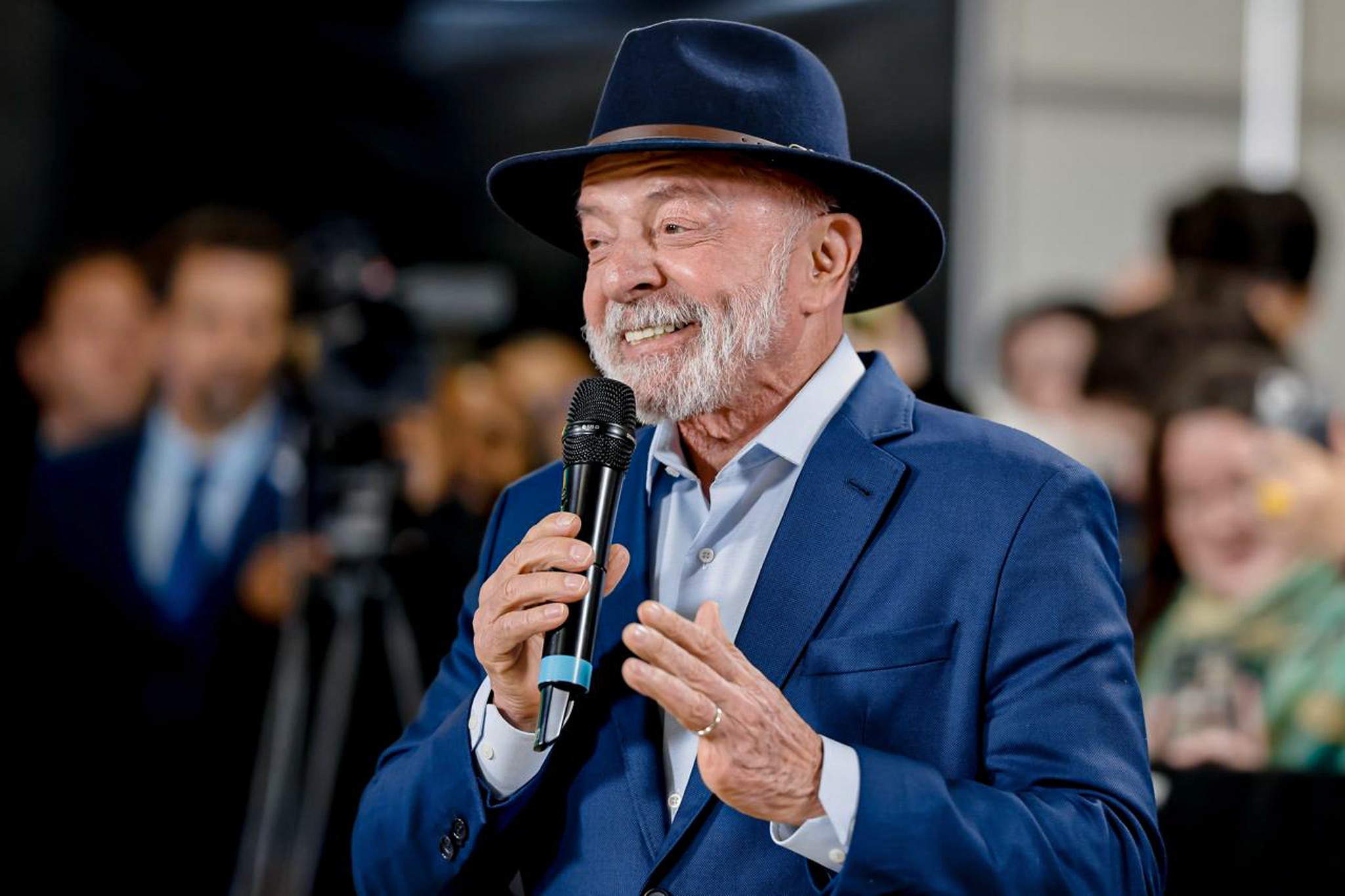
The U.S. government, under the Trump administration, has responded to remarks made by Brazilian President Luiz Inácio Lula da Silva concerning Secretary Marco Rubio. On Monday, February 20th, Lula stated that if Rubio wished to support Senator Flávio Bolsonaro's candidacy, he was welcome to do so and even form a committee. In response, a spokesperson for the Department of State, when questioned by g1, issued a statement indicating the U.S. interest in freedom of expression and the integrity of democratic processes globally, including in Brazil. This stance from the Trump administration aligns with that of presidential pre-candidate Flávio Bolsonaro, who has previously questioned Brazil's electronic voting system, claims that have been refuted by the Superior Electoral Court (TSE). The Bolsonaro family has identified Marco Rubio as an ally in the United States. President Lula, during a speech at the national convention of the Democratic Labour Party (PDT) in Brasília on February 20th, reiterated his intention to defeat all opponents in defense of democracy. He invited international observers to witness the upcoming elections in Brazil, emphasizing the nation's right to avoid losing and to prevent the return of denialism and fascism to governance. Lula also recalled that in the past, traitors were hanged, referring to those who he believes betray the nation by seeking foreign intervention. The PDT convention unanimously announced its support for Lula's re-election bid.
The exchange highlights the complex interplay between domestic political rhetoric and international relations, particularly concerning electoral integrity. President Lula's public invitation for foreign support, even if framed as a challenge, intersects with U.S. government statements emphasizing democratic processes. The U.S. response, focusing on general principles of free expression and democratic integrity, serves to maintain diplomatic neutrality while acknowledging the significance of Brazil's political landscape. This situation underscores the potential for external actors and rhetoric to influence domestic political narratives, especially in contexts where electoral systems are subject to scrutiny. Future political dynamics may involve navigating the balance between national sovereignty and international expectations regarding democratic norms, with technology and information flow playing an increasingly critical role in shaping public perception and political discourse.
AI-generated to prompt reflection — not editorial opinion, not advice, not a statement of fact. How this works.