US Grapples with Cyclospora Outbreak Causing Severe Diarrhea
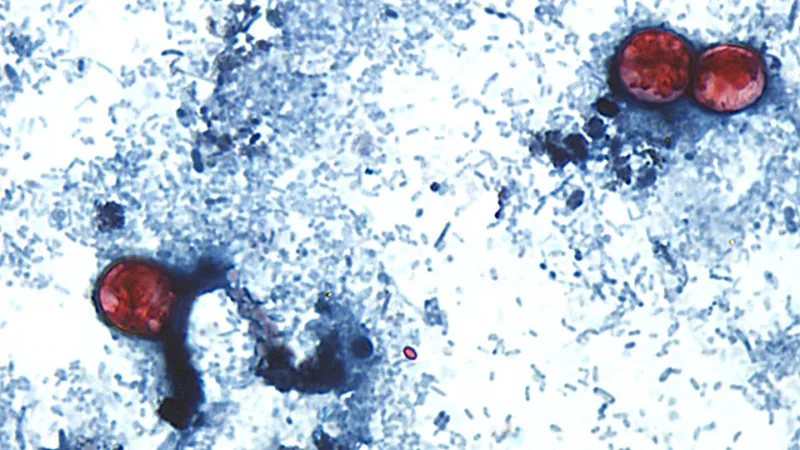
The United States is currently experiencing an outbreak of explosive diarrhea caused by the parasite Cyclospora. Health officials are finding it challenging to contain the spread of this parasitic infection across the country. Cyclospora infections typically occur after consuming contaminated food or water, leading to gastrointestinal distress. Symptoms often include watery diarrhea, loss of appetite, stomach cramps, bloating, gas, and fatigue. While not usually life-threatening, the illness can be debilitating and may require medical attention. Public health agencies are working to identify the source of the contamination and implement control measures. This involves tracing the origin of infected food products and advising consumers on safe food handling practices. The difficulty in containment stems from the parasite's life cycle and the potential for widespread distribution through various food supply chains. Efforts are underway to prevent further transmission and mitigate the impact on public health.
The current Cyclospora outbreak highlights vulnerabilities in food supply chain integrity and public health surveillance systems. The challenge of containing such an outbreak underscores the complex interplay between global food production, distribution networks, and the rapid spread of pathogens. Future preparedness will likely require enhanced traceability measures, more robust testing protocols at various points in the supply chain, and improved inter-agency communication to swiftly identify and isolate sources. Addressing the root causes of contamination, whether agricultural or processing-related, will be crucial in preventing recurrence and safeguarding public health in an increasingly interconnected food system.
AI-generated to prompt reflection — not editorial opinion, not advice, not a statement of fact. How this works.