US Grapples with Cyclospora Outbreak: Difficulties in Tracing the Source
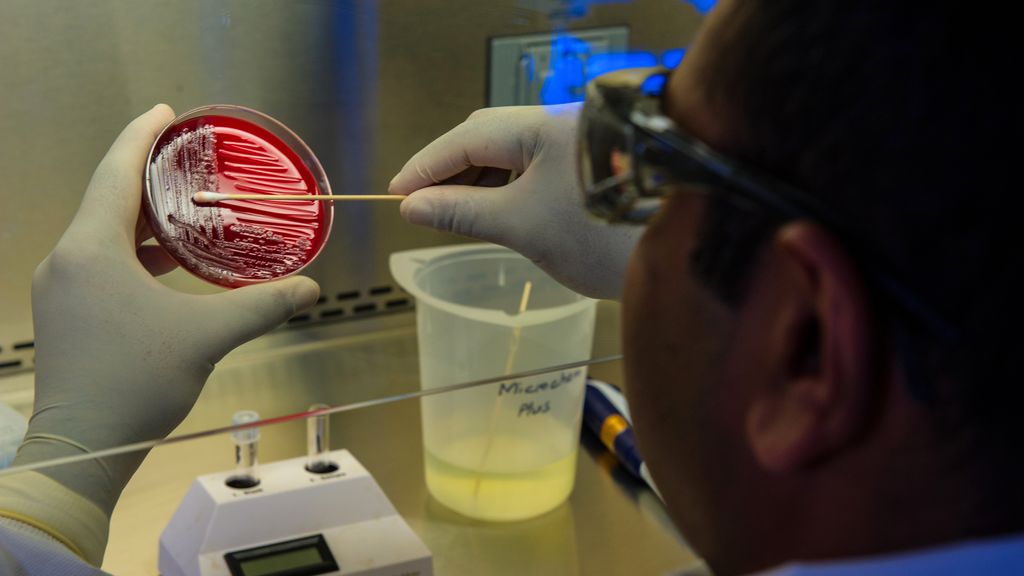
Multiple states across the United States are experiencing an outbreak of the intestinal parasite Cyclospora, which causes watery diarrhea. Over thirty states have reported infections this year, with the number of cases peaking during the spring and summer months. While generally not life-threatening, the infection can cause significant illness. The parasite is contracted through consuming contaminated water or food. The Centers for Disease Control and Prevention (CDC) has recorded approximately 7,000 cases nationwide this year, with the majority of infections reported since May 1st. The CDC believes the actual number of infections is likely higher, as not everyone seeks medical attention. The state of Michigan has seen a disproportionately high number of cases, with over 3,000 reported since May. Authorities in Michigan suspect contaminated lettuce as a potential source. However, health organizations caution that multiple sources may be involved given the outbreak's scale, likening the investigation to searching for a microscopic particle within a haystack. Complicating the investigation is the parasite's incubation period, with symptoms appearing one to two weeks after exposure. Additionally, budget cuts to public health services have reduced available personnel for testing. The CDC advises thorough handwashing before and after preparing raw fruits and vegetables, and diligent washing of produce. For those infected, a seven to ten-day course of co-trimoxazole, an antibiotic combination, is recommended.
The Cyclospora outbreak highlights challenges in contemporary public health surveillance and response, particularly in decentralized federal systems. The difficulty in tracing the source, compounded by a delayed symptom onset and reduced public health staffing due to budget constraints, points to systemic vulnerabilities. This situation underscores the critical need for robust, well-funded public health infrastructure capable of rapid detection and containment. In an era of globalized food supply chains, the potential for widespread contamination necessitates advanced diagnostic capabilities and proactive risk assessment. Future preparedness may involve leveraging data analytics for early outbreak detection and exploring more resilient food safety protocols to mitigate the impact of such microscopic threats.
AI-generated to prompt reflection — not editorial opinion, not advice, not a statement of fact. How this works.