US Halts Strikes on Iran Amidst Reports of Munitions Shortages
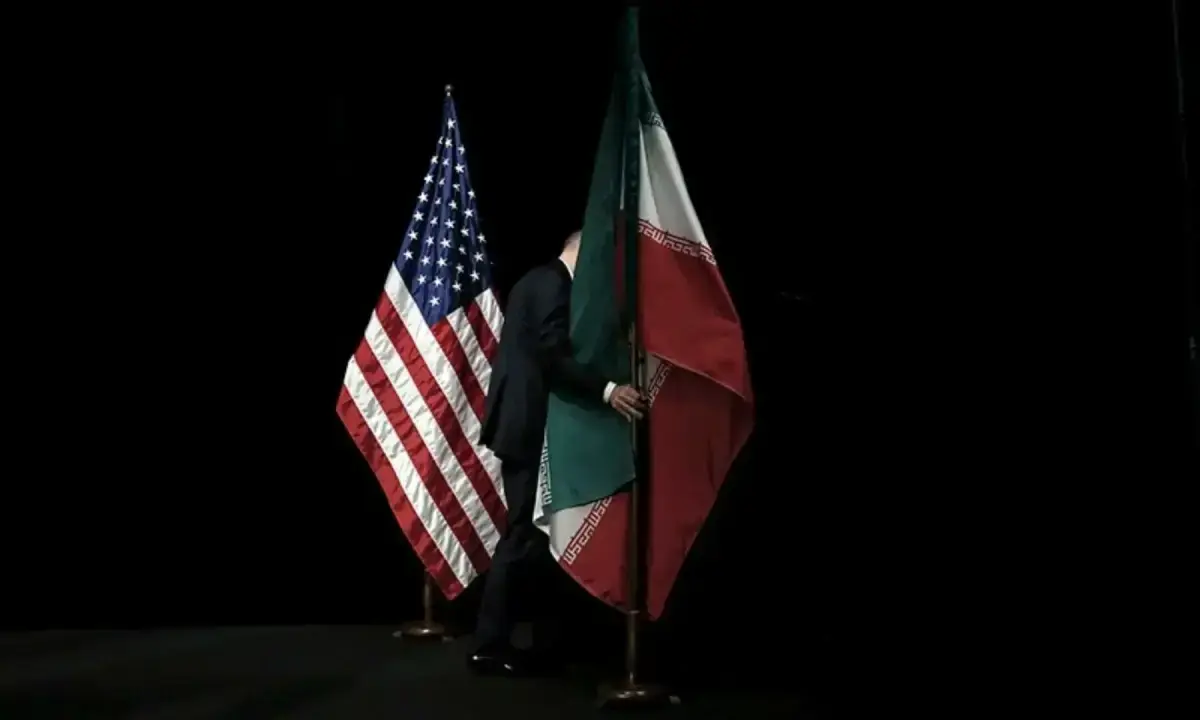
The United States has paused its airstrikes against Iran, marking a lull in the nearly five-month conflict between Saturday and Sunday. This pause has sparked hopes for a return to diplomatic negotiations, following nearly two weeks of consecutive nightly bombardments. However, reports suggest that concerns over dwindling munitions, including Patriot interceptors and other defensive weapons, may be a significant factor in restraining plans for further escalation. The conflict, which began with fighting over the strategic Strait of Hormuz, has expanded to include attacks on US bases, regional shipping, and Gulf allies. A Pentagon source indicated that US operations against Iran are currently on hold, despite President Donald Trump's prior threats of "much higher level" strikes. The New York Times reported that plans to escalate the campaign have been shelved partly due to shrinking supplies, with President Trump also facing risks of a wider Middle East war, alienation of Gulf allies, and economic shocks. Vice President JD Vance and top US general Dan Caine reportedly raised concerns about escalation during a White House meeting, with General Caine warning of possible implications to President Trump. President Trump stated he had not yet decided on returning to full-scale operations and indicated that Iran faced a choice between a deal and significantly escalated strikes. The prolonged conflict, now in its fifth month, is impacting President Trump's approval ratings ahead of the November midterm elections. The Pentagon had presented a plan for a 14th night of strikes, but President Trump declined to authorize it, favoring a push for talks. Meanwhile, fighting has spread to a new front, with Yemen's Houthi rebels claiming strikes on Saudi Aramco sites. Iran's Revolutionary Guards reported intercepting ships attempting to transit the Strait of Hormuz, where Tehran's blockade remains a central flashpoint. Iran's Foreign Minister Abbas Araghchi stated that Iran could not be blamed for the escalation and offered to broker talks between the Houthis and Riyadh, emphasizing that "there is no military solution."
The reported pause in US military actions against Iran, potentially driven by munition shortages and concerns over escalation, highlights the complex interplay of military capacity, geopolitical risk, and domestic political considerations. The strategic calculus appears to be shifting from immediate punitive strikes towards a more cautious approach, influenced by the potential for wider regional conflict and economic instability. This situation underscores the fragility of deterrence in the Middle East and the significant leverage held by non-state actors and regional powers. As the conflict extends beyond its anticipated duration, the pressure on leadership to find a diplomatic resolution intensifies, particularly with upcoming elections. The event prompts consideration of long-term strategies for managing regional security, the sustainability of military supply chains in prolonged conflicts, and the effectiveness of coercive diplomacy in the face of entrenched geopolitical rivalries.
AI-generated to prompt reflection — not editorial opinion, not advice, not a statement of fact. How this works.