US Halts Strikes on Iran Amidst Shifting Regional Dynamics
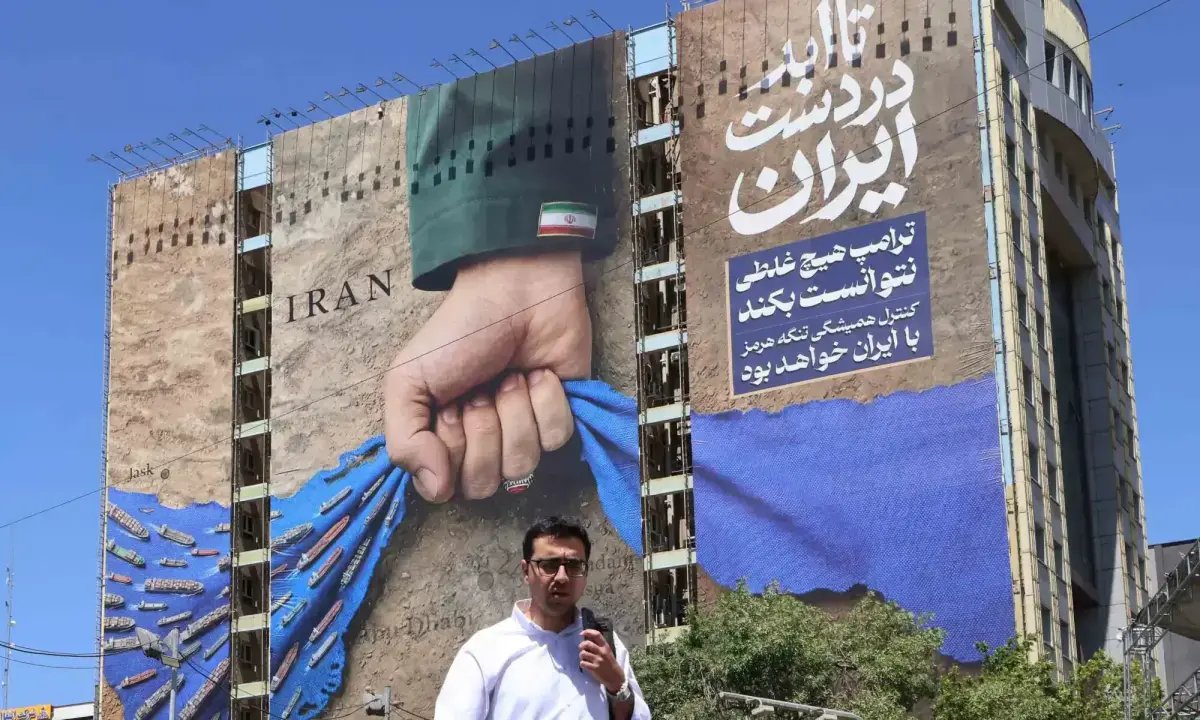
Following two weeks of heightened conflict, the United States has ceased its airstrikes against Iran, and Tehran has reciprocated by halting its military actions. This de-escalation appears to stem not from a sudden embrace of peace, but rather from the increasing practical and economic burdens of sustained hostilities. The Trump administration's decision may also be influenced by advice from senior military officials and reports, though denied by the President, suggesting a depletion of munitions. Regional diplomatic efforts, notably involving Pakistan, are also credited with encouraging both sides to consider dialogue. The cessation of conflict in the Gulf is a positive development, with hopes that diplomatic channels can be re-established for a more lasting regional peace. The US ambassador to the UN indicated President Trump's desire to allow space for negotiations. The conflict's expansion to the Red Sea, with Houthi forces blockading Saudi ships, poses a significant threat to the global economy due to potential disruptions at the Strait of Hormuz and Bab al-Mandeb. While the halt in attacks is welcomed, the underlying issues require a negotiated settlement, with Iran needing to demonstrate flexibility on passage through the Strait of Hormuz. The current pause in fighting does not guarantee lasting peace, as related conflicts in Lebanon and Yemen could reignite hostilities. Mediators are working to revive the peace process, which includes convincing the Houthis and Saudis to reinstate their ceasefire. Additionally, ongoing Israeli attacks in Lebanon and Ukraine's targeting of an Iranian ship in the Caspian Sea represent dangerous escalations that complicate the broader regional situation.
The reported de-escalation in the Gulf, characterized by a halt in US strikes on Iran and reciprocal action from Tehran, highlights the complex interplay of military costs, diplomatic pressures, and strategic calculations. The economic implications of prolonged conflict, particularly concerning vital maritime chokepoints like the Strait of Hormuz and Bab al-Mandeb, present a significant systemic risk to the global economy. This situation underscores the inherent tension between kinetic military action and the pursuit of stable international trade routes. Future resolutions will likely depend on balancing national security interests with the collective need for unimpeded global commerce, a challenge amplified by the interconnectedness of regional proxy conflicts and their potential to destabilize broader geopolitical and economic landscapes.
AI-generated to prompt reflection — not editorial opinion, not advice, not a statement of fact. How this works.