US Hesitation Delays Ukraine's Patriot Missile Production Plans
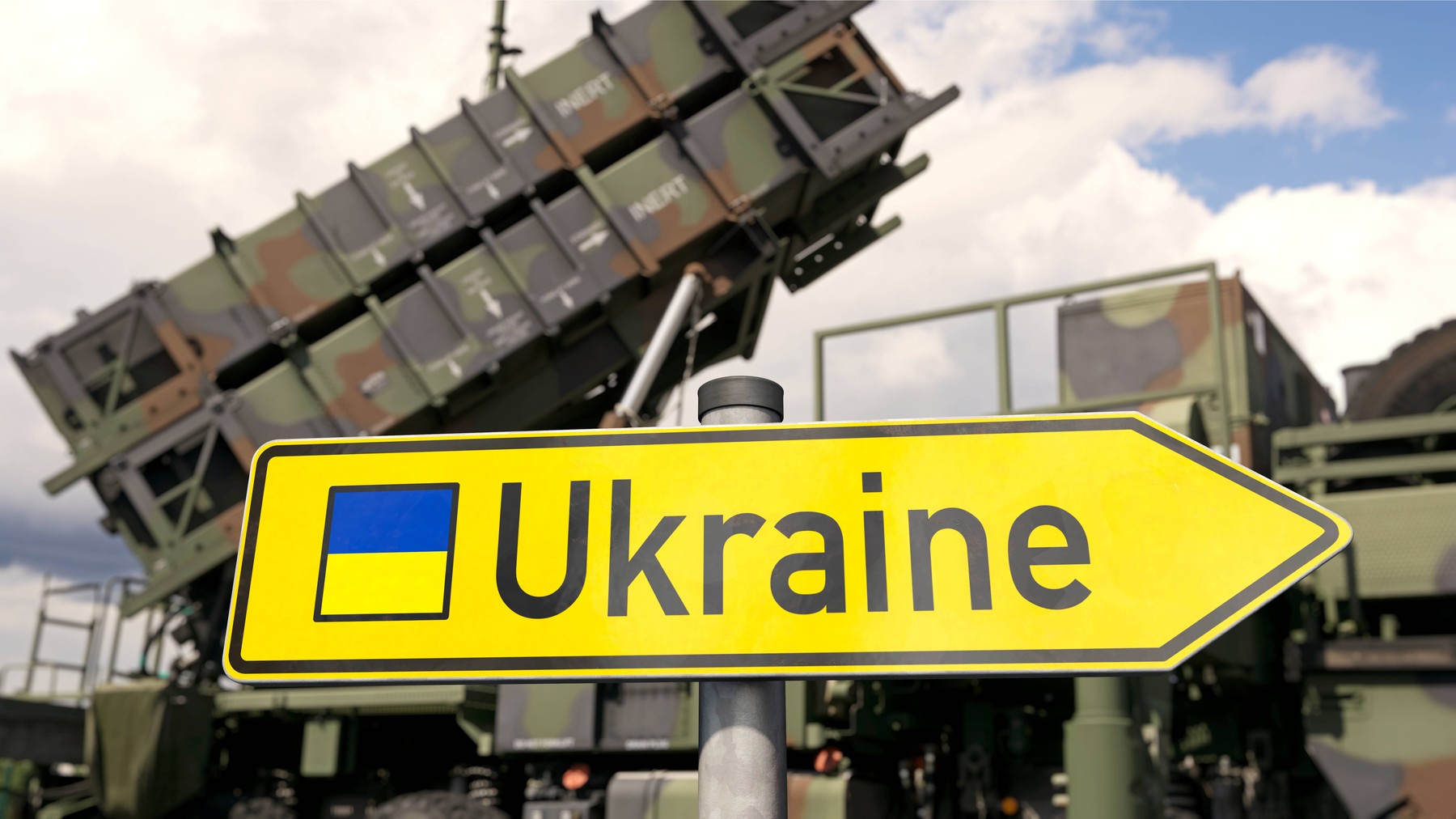
Ukraine is urgently seeking U.S. approval to begin producing its own Patriot interceptor missiles, a move prompted by Russia's ballistic missile barrages. Despite an initial agreement from the Trump administration for a production license, the United States has not yet provided definitive confirmation. U.S. Ambassador to NATO, Matthew Whitaker, indicated on Monday that a joint agreement with Ukraine on Patriot missile production is unlikely before winter. This statement adds to the uncertainty surrounding a critical component of Kyiv's air defense capabilities. The delay highlights the complex geopolitical and industrial considerations involved in transferring advanced defense technology. Ukraine's reliance on foreign-supplied air defense systems underscores its vulnerability in the ongoing conflict. The lack of indigenous production capacity for key interceptors poses a significant challenge to its long-term defense strategy.
The U.S. government's deliberation over authorizing Ukraine's production of Patriot missiles reflects a complex interplay of security, industrial, and diplomatic considerations. While Ukraine faces immediate threats necessitating robust air defense, the U.S. likely weighs factors such as technology transfer controls, potential escalation risks, and the long-term implications for its own defense industrial base. The delay suggests a cautious approach, balancing immediate support for Ukraine against broader strategic interests. This situation highlights the systemic challenge for nations relying on advanced foreign military technology, where production autonomy is often contingent on the geopolitical calculus of supplier states. Future defense architectures may need to account for more agile and decentralized production models to ensure resilience in protracted conflicts.
AI-generated to prompt reflection — not editorial opinion, not advice, not a statement of fact. How this works.
