US HIV/AIDS Program Faces Setbacks After Funding Cuts, Report Finds
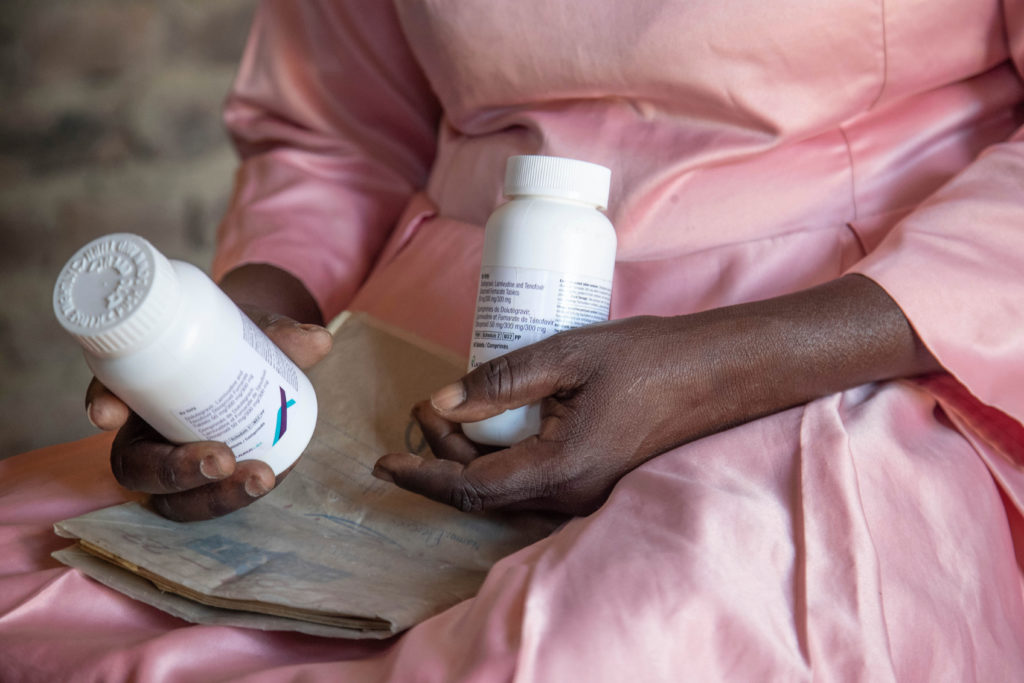
A recent report from the HIV/AIDS non-profit amfAR highlights the repercussions of funding reductions to the U.S. President's Emergency Plan for AIDS Relief (PEPFAR) and the U.S. Agency for International Development (USAID). Since its inception in 2003, PEPFAR has been instrumental in saving over 26 million lives globally. However, the study indicates that these funding cuts have led to the closure of more than 1,700 treatment sites. These sites were crucial in providing essential HIV/AIDS care and support services in affected regions. Dr. Atul Gawande, who serves as the assistant administrator of USAID under the Biden administration, discussed the implications of these findings. The report underscores the significant impact of sustained funding on global health initiatives and the potential for setbacks in the fight against HIV/AIDS when resources are diminished.
The report from amfAR illustrates the tangible consequences of reduced funding on established global health programs like PEPFAR. The closure of over 1,700 treatment sites directly impacts the continuity of care for millions, potentially reversing years of progress in combating HIV/AIDS. This situation raises questions about the long-term sustainability of such initiatives when faced with fluctuating political will and budgetary constraints. Future policy decisions regarding international aid will need to balance immediate fiscal concerns with the proven, life-saving impact of sustained investment in public health infrastructure. The challenge lies in maintaining momentum and preventing the erosion of critical services, even during periods of economic austerity or shifting geopolitical priorities.
AI-generated to prompt reflection — not editorial opinion, not advice, not a statement of fact. How this works.