US Home Battery Installations Reach Record High Amid Soaring Electricity Prices
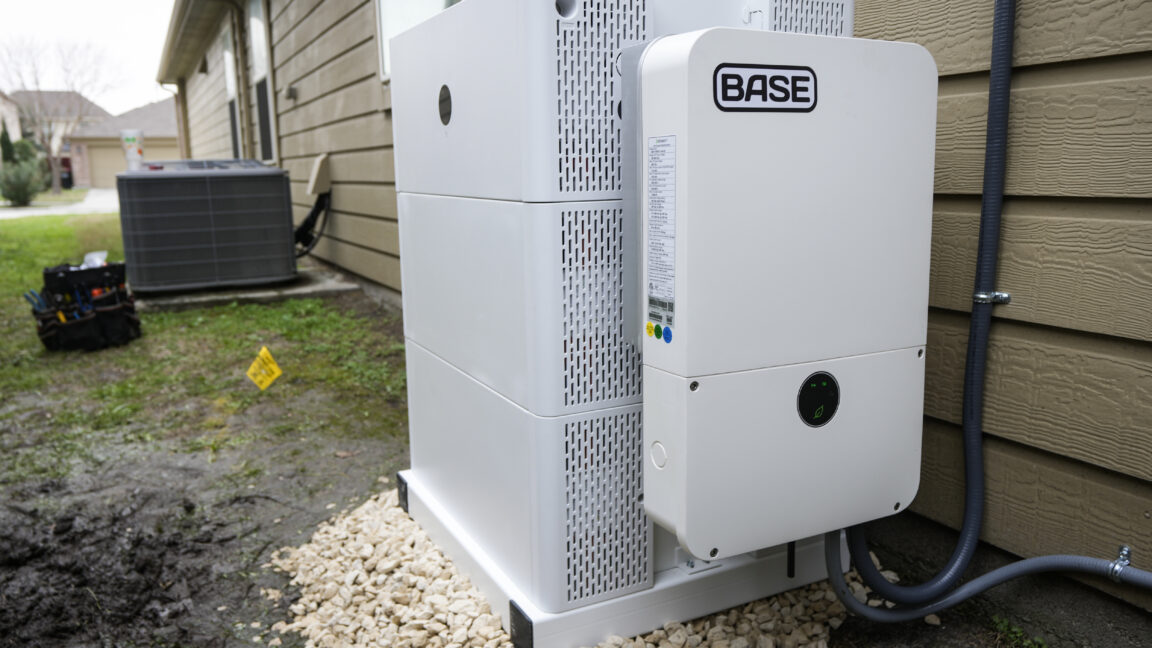
The United States has experienced a record surge in home battery installations, driven by escalating electricity costs. This trend is creating new possibilities for managing grid stability and potentially supplying power to energy-intensive sectors like artificial intelligence data centers. The increased adoption of home battery systems signifies a growing consumer interest in energy independence and resilience against grid disruptions. As electricity prices continue to climb, homeowners are seeking more cost-effective and reliable energy solutions. These systems not only provide backup power during outages but also allow users to store energy generated from solar panels, further reducing their reliance on the traditional grid. The growing capacity of these distributed energy resources could play a significant role in modernizing the electrical grid. It offers a decentralized approach to energy management, potentially enhancing grid flexibility and reducing peak load demands. Furthermore, the availability of stored energy from numerous homes could become a valuable resource for large-scale consumers, including the rapidly expanding AI industry, which requires substantial and consistent power supplies. This development marks a pivotal moment in the evolution of residential energy consumption and grid infrastructure.
The surge in home battery installations reflects a fundamental shift in consumer behavior, driven by economic incentives and a desire for energy security. As electricity prices rise and the demand for power grows, particularly from sectors like AI, distributed energy resources are becoming increasingly critical. This trend highlights the evolving dynamics between centralized grid infrastructure and decentralized energy generation and storage. The challenge for grid operators will be to effectively integrate these distributed assets, ensuring grid stability while leveraging their capacity for peak load management and ancillary services. Future grid architectures may need to become more dynamic and responsive to accommodate such distributed resources, potentially creating new market opportunities for homeowners and energy service providers. This decentralization trend, accelerated by rising costs and technological advancements, could reshape the energy landscape over the next decade.
AI-generated to prompt reflection — not editorial opinion, not advice, not a statement of fact. How this works.