US Homeland Security to Share Biometric Data with Caribbean Nations for Migration Control
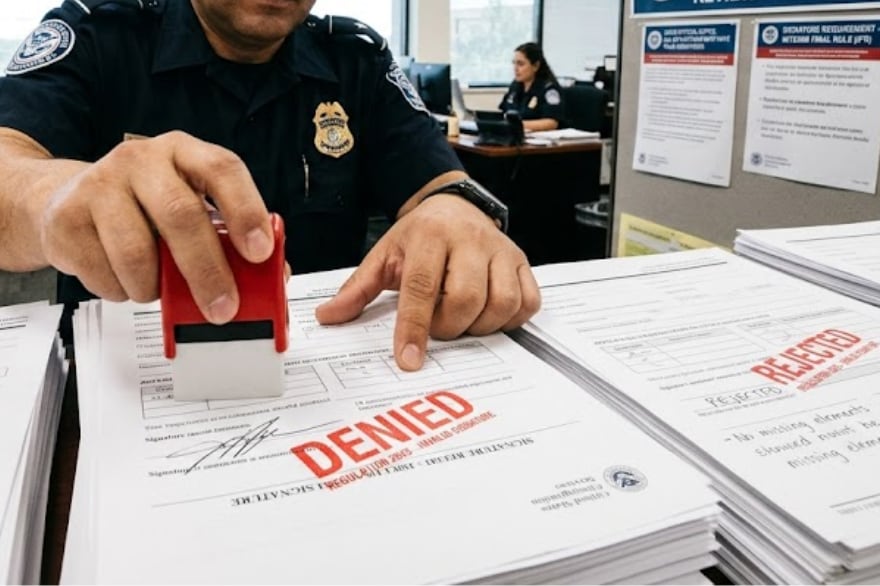
The U.S. Department of Homeland Security (DHS) has established an agreement with several Caribbean countries to share biometric data. This initiative aims to enhance migration control and bolster border security measures across the region. The sharing of this sensitive information is expected to significantly impact how individuals are processed at ports of entry and during border surveillance operations.
This collaboration will allow for a more integrated approach to identifying potential security threats and managing migratory flows. By leveraging biometric data, such as fingerprints and facial scans, authorities in both the U.S. and participating Caribbean nations will have improved capabilities to track individuals of interest. The DHS anticipates that this data-sharing pact will contribute to a more robust and efficient immigration system, while also addressing national security concerns.
This agreement reflects a growing trend of international data-sharing to manage complex transnational issues like migration. The DHS's initiative leverages technology to standardize and enhance border security protocols, potentially creating a more unified approach to identifying individuals across multiple jurisdictions. From a systems perspective, the effectiveness of this program will depend on robust data privacy safeguards and interoperability standards between the DHS and its Caribbean partners. The long-term implications may involve increased efficiency in border management, but also raise questions about data security, potential for misuse, and the impact on individual privacy rights in an era of expanding surveillance capabilities.
AI-generated to prompt reflection — not editorial opinion, not advice, not a statement of fact. How this works.