US Hosts Global Meeting on Left-Wing Political Terrorism
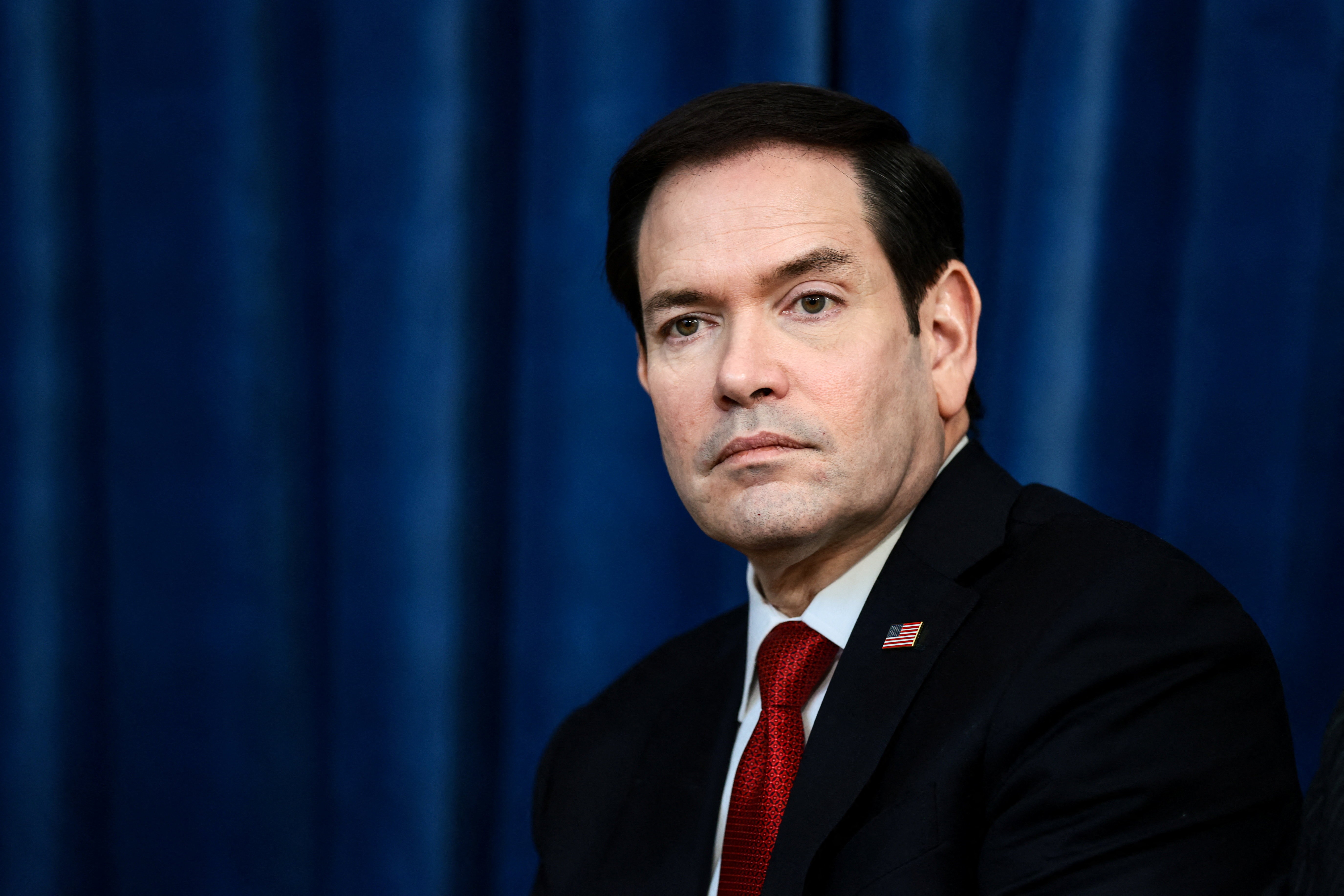
U.S. Secretary of State Marco Rubio is leading a ministerial meeting in Washington D.C. on Thursday, November 16th, to address what the Trump administration terms the "resurgence of left-wing political terrorism." According to a State Department statement, this extreme-left political terrorism is manifesting through violent acts across the Western Hemisphere, Europe, Asia, and other regions. The U.S. is positioning itself as a leader in combating this threat. Since November 2025, the U.S. has designated four violent left-wing groups as Foreign Terrorist Organizations and Specially Designated Global Terrorists: Antifa Ost, the Informal Anarchist Federation/International Revolutionary Front (FAI/FRI), Armed Proletarian Justice, and Class Revolutionary Self-Defense. State Department spokesperson Tommy Pigott informed The Washington Post that the event was organized due to left-wing extremism being an "old threat resurfacing with strong transnational links," with over 60 countries invited from various regions, including Latin America, Europe, and Asia. Brazil received an invitation but has not indicated participation. The meeting follows President Donald Trump's 2025 executive order designating Antifa as a terrorist organization, a move prompted by the assassination of right-wing activist Charlie Kirk. However, evidence linking leftists to Kirk's death is absent, with the primary suspect identifying as a far-right activist. Trump's efforts against Antifa have faced criticism, as political science consensus suggests the movement operates through independent activists rather than a centralized command structure. Antifa, an abbreviation for antifascists, comprises various left and far-left currents internationally, and while some experts argue it lacks organized entity status, accusations of involvement in armed attacks in the U.S. persist.
This U.S.-led initiative to convene an international meeting on left-wing political terrorism highlights a specific framing of security threats by the Trump administration. The designation of groups like Antifa as terrorist organizations, despite scholarly consensus on their decentralized nature, raises questions about the strategic goals behind such classifications. The administration's focus on left-wing extremism, particularly in the context of transnational links and violent acts, may reflect an effort to consolidate a particular political narrative. It is crucial to analyze whether this approach aligns with broader counter-terrorism strategies or serves more immediate political objectives, considering the potential for such designations to influence domestic and international relations. The effectiveness of targeting loosely organized movements through international cooperation and terrorist designations, versus addressing underlying socio-political grievances, warrants careful consideration in the long term.
AI-generated to prompt reflection — not editorial opinion, not advice, not a statement of fact. How this works.