US House Divided Over $3.3 Billion Aid to Israel
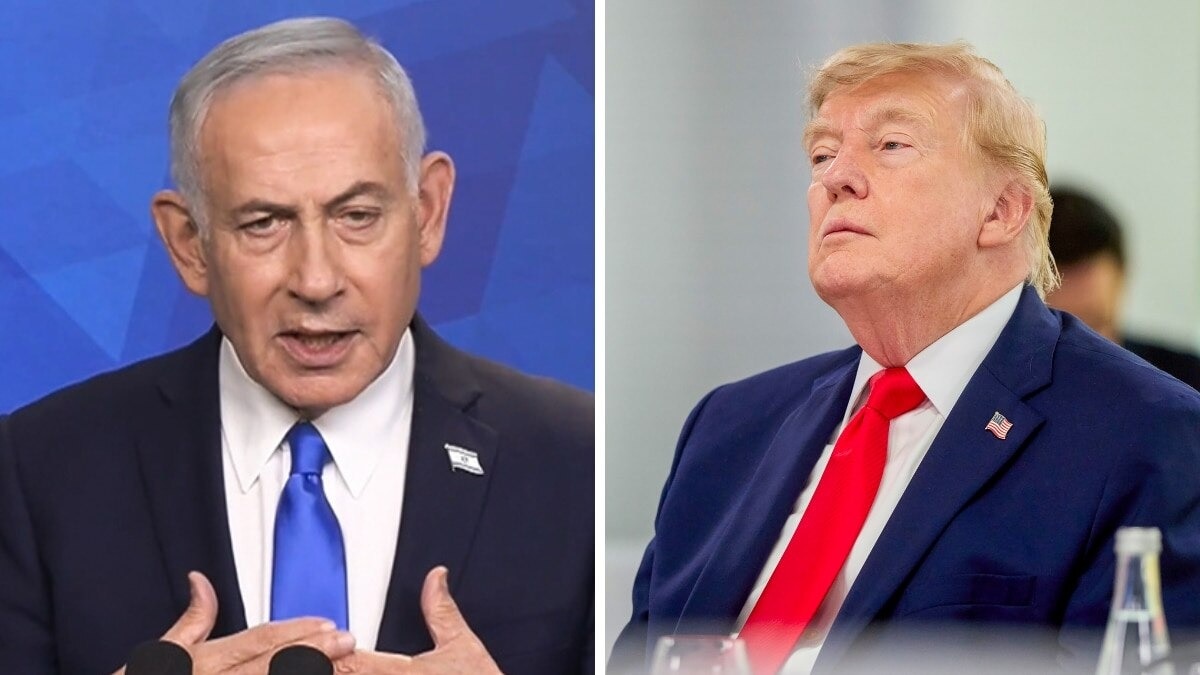
A significant division has emerged in the U.S. House of Representatives regarding the $3.3 billion in aid allocated to Israel. Democratic lawmakers have voted in favor of reducing this financial assistance, contrasting with Republican representatives who advocate for maintaining the current funding levels. This debate comes as Democratic leader Hakeem Jeffries has voiced concerns about Prime Minister Netanyahu's war strategies. Jeffries also called for a reevaluation and potential shift in Middle East policy. The differing stances highlight a growing divergence within the U.S. Congress on foreign aid and geopolitical approaches in the region.
The U.S. House's debate over aid to Israel reflects evolving geopolitical considerations and domestic political dynamics. Divergent votes on funding suggest a potential recalibration of foreign policy priorities, influenced by concerns over regional stability and strategic objectives. Future policy decisions may hinge on balancing established alliances with emerging regional challenges and domestic political consensus. This situation underscores the complex interplay between international relations, security interests, and the legislative process in shaping foreign aid allocations.
AI-generated to prompt reflection — not editorial opinion, not advice, not a statement of fact. How this works.