US House Passes Bill to End Military Action Against Iran
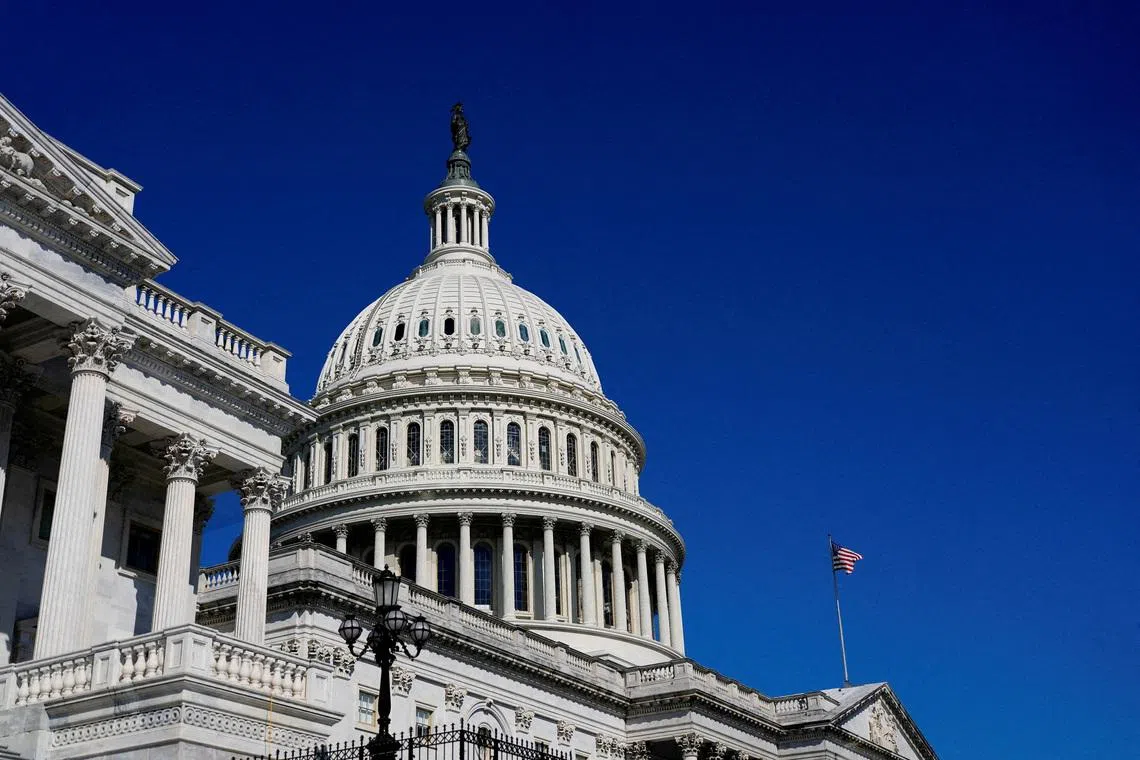
The Republican-led U.S. House of Representatives passed legislation on Thursday, July 23, directing President Donald Trump to cease U.S. military actions against Iran. This vote represents another symbolic rebuke of the Republican president from Congress. The bill's passage highlights a growing division within the U.S. government regarding foreign policy toward Iran. While the House has taken this action, its ultimate impact remains uncertain given the political landscape and potential challenges in the Senate. This move underscores Congress's efforts to assert its authority over matters of war and peace. The legislation aims to limit presidential discretion in engaging in military conflicts abroad. It signifies a legislative attempt to de-escalate tensions with Iran. The outcome of this bill will likely depend on further political negotiations and the administration's response.
The U.S. House's vote to halt military action against Iran, while symbolic, reflects a legislative branch seeking to reassert its constitutional role in matters of war. This action highlights potential divergence in foreign policy approaches between the executive and legislative branches, particularly concerning engagement with Iran. Such legislative checks on presidential war powers can be viewed through the lens of institutional design, aiming to prevent unilateral executive overreach and promote a more deliberative approach to international conflict. The long-term implications may involve shifts in the balance of power over foreign policy, influencing future presidential actions and congressional oversight mechanisms in an era where rapid technological advancements and geopolitical complexities demand careful consideration of military engagement.
AI-generated to prompt reflection — not editorial opinion, not advice, not a statement of fact. How this works.