US House Passes Bill to Make Daylight Saving Time Permanent
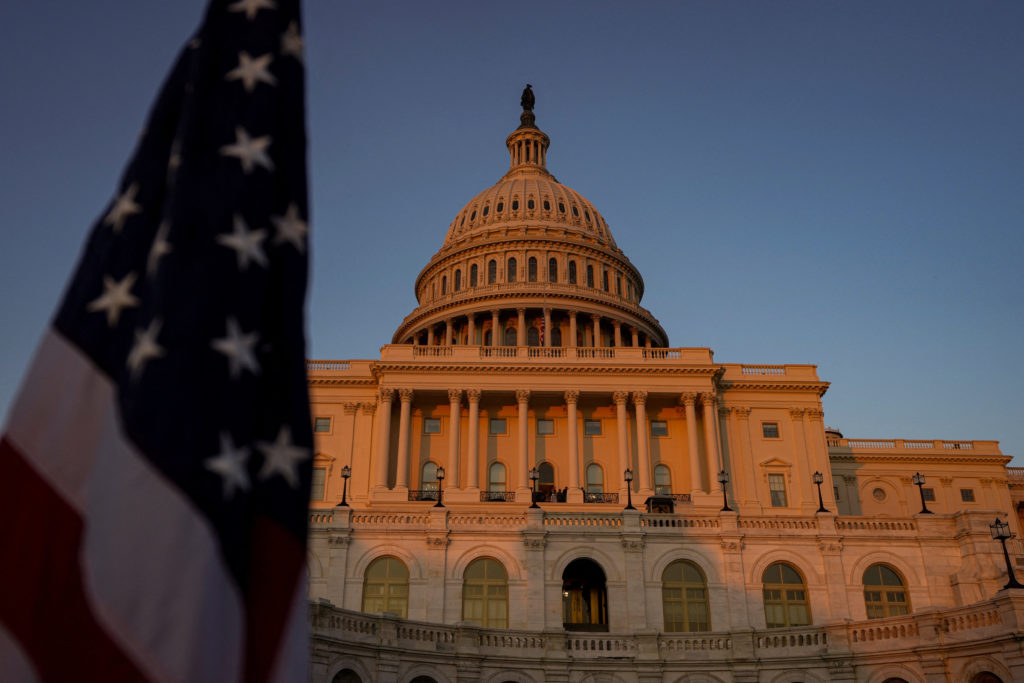
The U.S. House of Representatives has passed legislation that would establish daylight saving time as a permanent practice. This decision, made on Tuesday, means that clocks would no longer be turned back in the fall. The White House has publicly supported the change, arguing that permanent daylight saving time would offer more hours of daylight during peak activity times for Americans. Proponents believe this shift could lead to increased engagement and potentially economic benefits due to extended daylight in the evenings. The bill now moves forward, with its ultimate passage dependent on further legislative steps and potential presidential approval. This development marks a significant step toward altering a long-standing tradition of adjusting clocks twice a year. The implications for daily routines, public health, and various sectors of the economy are expected to be substantial.
The legislative push to make daylight saving time permanent reflects a societal desire for greater consistency and potentially increased evening activity. From a systemic perspective, this change could alter energy consumption patterns, public safety metrics, and individual circadian rhythms, warranting careful study of its long-term impacts. The debate highlights a tension between tradition and adaptation, with proponents emphasizing potential economic and lifestyle benefits. Future considerations may involve how this aligns with evolving work structures and technological integration, and whether it optimizes public well-being across diverse demographics.
AI-generated to prompt reflection — not editorial opinion, not advice, not a statement of fact. How this works.