US House Votes to Halt Iran War, Symbolically Rebuking Trump
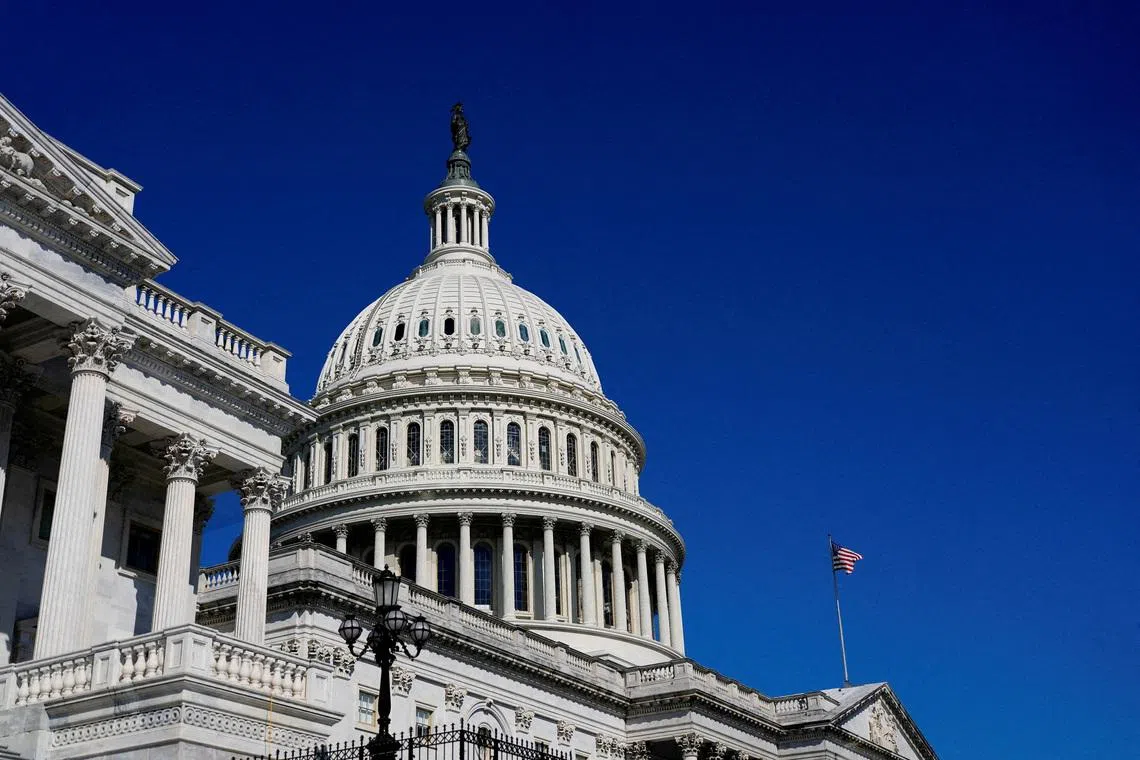
The US House of Representatives has voted to halt military action against Iran, marking another instance of symbolic opposition to President Trump's policies. This vote, however, follows similar measures that have not resulted in the cessation of US military engagement with Iran. The action underscores a division within the US government regarding the approach to Iran, with the legislative branch attempting to assert its authority over foreign policy decisions, particularly those involving potential military escalation. Despite the House's vote, the practical impact on the ongoing US-Iran tensions remains uncertain, given the precedent of previous symbolic resolutions. The situation highlights the complex dynamics of war powers and congressional oversight in the context of international relations and executive actions.
The US House's vote to halt military action against Iran, while symbolically significant, highlights the ongoing tension between legislative intent and executive authority in foreign policy. Previous similar resolutions have not altered the course of military engagement, suggesting that such votes may serve more as a political statement than a direct policy determinant. This dynamic raises questions about the effectiveness of congressional oversight in preventing military escalation, particularly when faced with an executive branch pursuing a different strategic path. The recurring nature of these votes points to a systemic challenge in aligning legislative and executive foreign policy objectives, potentially creating uncertainty and impacting diplomatic strategies over the next decade as geopolitical landscapes evolve.
AI-generated to prompt reflection — not editorial opinion, not advice, not a statement of fact. How this works.