US Housing Law to Take Effect Despite Trump's Refusal to Sign
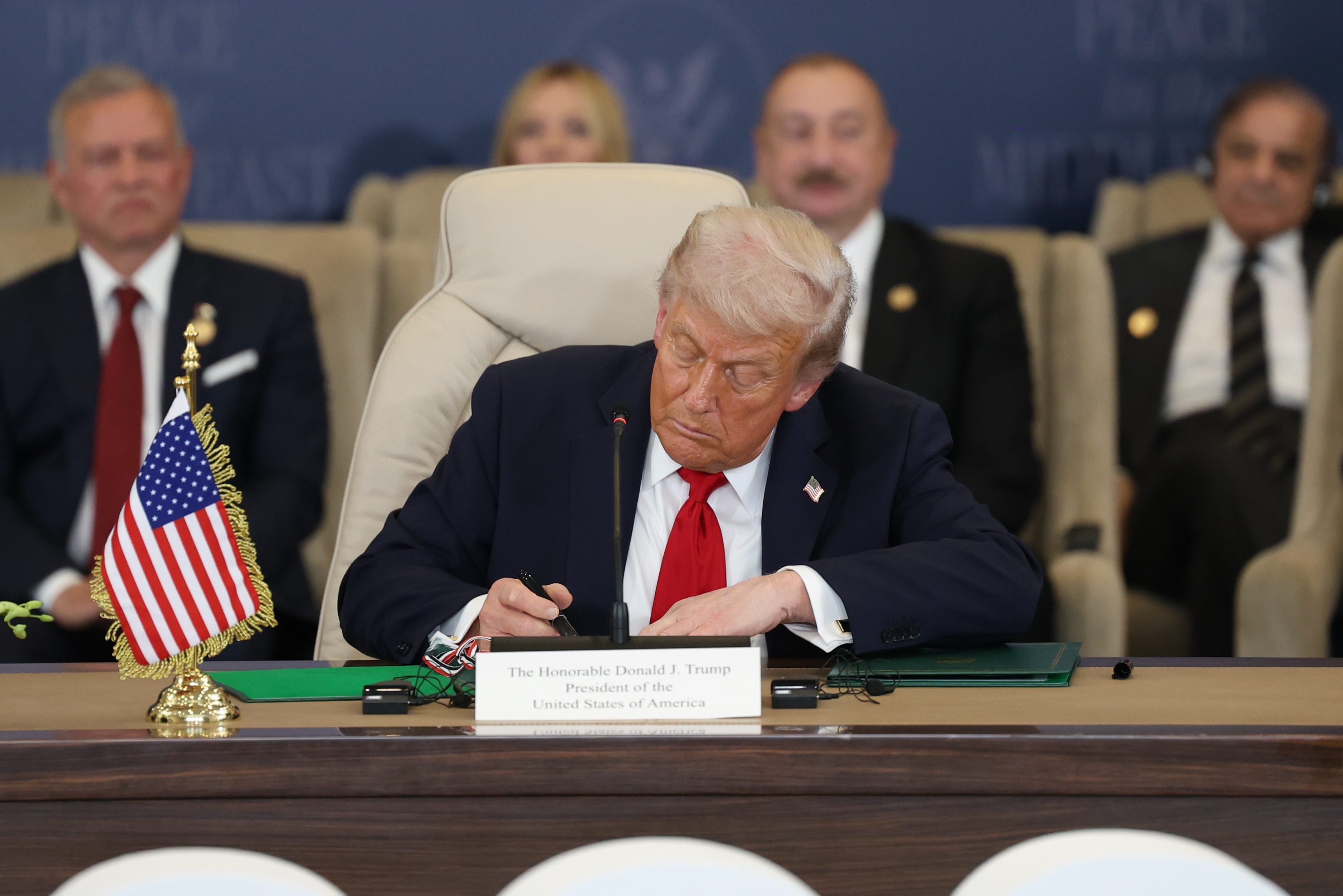
Despite President Trump's stated intention not to sign the housing bill, it is poised to become law. Under the U.S. Constitution, legislation automatically takes effect if the President does not veto it within the allotted timeframe. This provision allows the bill to gain the force of law without the President's explicit approval. The housing law is scheduled to come into effect this Saturday. Trump has reiterated his refusal to sign the bill, but this constitutional mechanism circumvents the need for his signature. The process highlights a specific aspect of the legislative and executive branches' interaction as defined by the Constitution.
This situation illustrates a constitutional mechanism designed to prevent legislative paralysis due to executive inaction. The U.S. Constitution provides a clear pathway for bills to become law even without presidential signature, balancing the powers of the executive and legislative branches. This process, while potentially creating tension, ensures that duly passed legislation can proceed, reflecting the framers' intent to establish a functional government. The dynamic underscores the importance of understanding legislative procedures and constitutional checks and balances, particularly in periods of political disagreement.
AI-generated to prompt reflection — not editorial opinion, not advice, not a statement of fact. How this works.