US Immigration Agency ICE Halts Most Traffic Stops After Fatal Shootings
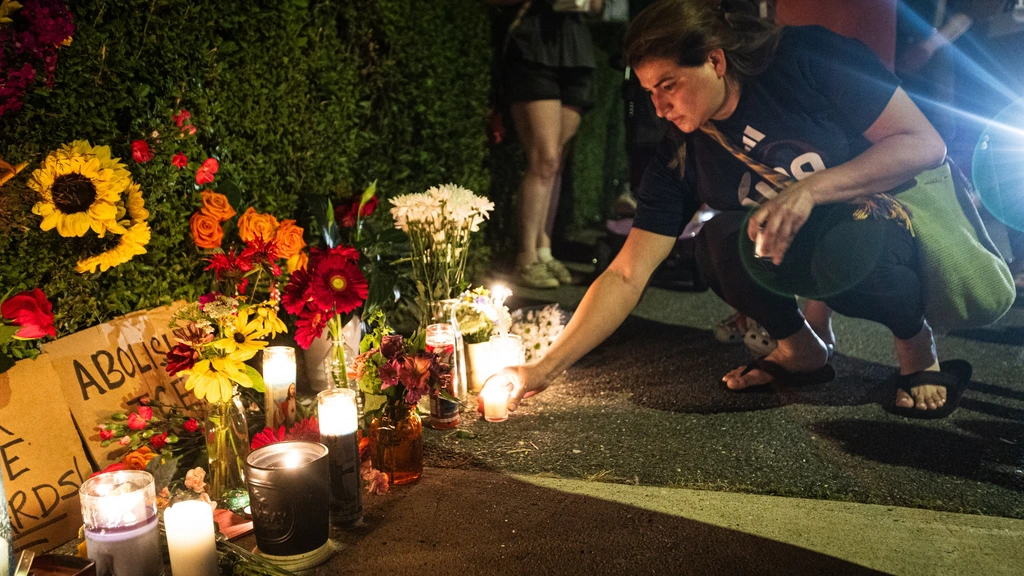
The U.S. Immigration and Customs Enforcement (ICE) agency is temporarily suspending most of its traffic enforcement operations. This decision follows two recent fatal shootings involving ICE agents, according to sources within the U.S. government speaking to CBS News. ICE agents will now only be permitted to stop vehicles during operations targeting individuals suspected of serious crimes. The suspension will remain in effect until agents receive additional training on conducting traffic stops. One incident that prompted this measure involved the death of a 26-year-old Colombian migrant in Biddeford, Maine. Authorities claim the man attempted to drive away during a stop and used his car as a weapon, though no public evidence has been presented to support this. The agent involved was not wearing a body camera and has been placed on administrative leave. Last week, a Mexican migrant also died during a traffic stop involving an ICE agent in Texas. CNN reports that a total of four individuals have been fatally shot by federal immigration enforcement agencies tasked with carrying out large-scale deportation programs. Traffic stops have become a significant component of immigration enforcement under the Trump administration, enabling ICE agents to identify, track, and arrest individuals outside their homes or workplaces. This new directive could substantially alter the agency's operational methods. Concerns are high regarding the training of ICE agents, attributed to lowered admission standards and accelerated training programs, which have long fueled public unrest and anxieties about the experience and conduct of new agents. The recent shootings have triggered protests in various locations, including Biddeford, where demonstrators expressed anger and concern over ICE's actions. ICE has not yet officially commented on the new directive regarding traffic stops.
The suspension of ICE traffic stops, triggered by fatal incidents, highlights a critical tension between enforcement objectives and public safety protocols. This pause offers an opportunity to re-evaluate the efficacy and risk profile of routine traffic enforcement as a primary immigration interdiction tool. The stated need for additional training suggests systemic gaps in operational preparedness and de-escalation techniques, potentially exacerbated by accelerated recruitment and training pathways. Moving forward, ICE and its oversight bodies face the challenge of balancing robust immigration enforcement mandates with the imperative to prevent loss of life and maintain public trust. Future strategies may need to incorporate more sophisticated risk assessment, less confrontational interdiction methods, and enhanced accountability mechanisms, such as mandatory body camera usage, to mitigate the potential for tragic outcomes in routine encounters.
AI-generated to prompt reflection — not editorial opinion, not advice, not a statement of fact. How this works.