US Immigration Agents Still Lack Body Cameras Despite DHS Pledge
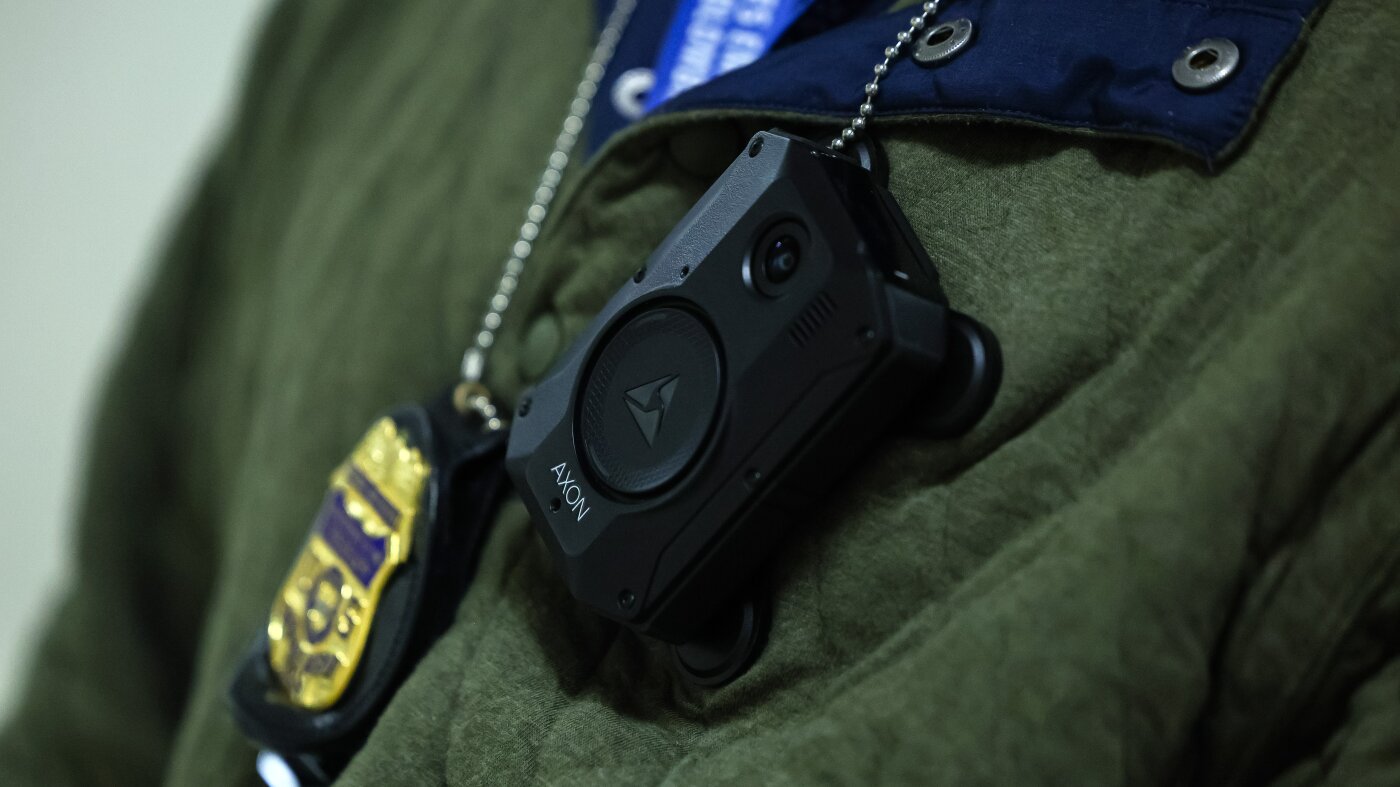
Despite a pledge from the Department of Homeland Security (DHS) to equip all immigration agents with body cameras, the initiative has not yet been implemented months later. This lack of equipment became apparent following recent incidents where federal immigration agents fatally shot two immigrant fathers. In both of these fatal encounters, the involved federal officers were not wearing body cameras, according to the agency. The DHS had committed to providing this technology to ensure greater transparency and accountability in the actions of its agents. The delay in rolling out body cameras raises questions about the timeline and effectiveness of the department's commitment to enhancing oversight. This situation highlights a gap between stated policy goals and on-the-ground execution within federal immigration enforcement. The absence of body cameras in critical incidents means there is less objective evidence available for review, potentially impacting investigations and public trust. The agency's statement confirms that the officers involved in the recent shootings were not equipped with the promised devices. Further details on the reasons for the delay in the body camera rollout have not been provided.
The delay in equipping immigration agents with body cameras, despite a DHS pledge, presents a critical juncture for accountability in federal law enforcement. The absence of this technology during fatal encounters limits objective evidence gathering, potentially hindering impartial investigations and eroding public trust. This situation underscores the importance of robust oversight mechanisms and timely implementation of technological solutions designed to enhance transparency. Moving forward, the focus should be on understanding the systemic barriers to fulfilling such commitments and ensuring that technological upgrades align with public safety and civil liberties imperatives. The next decade will likely see increased scrutiny on the use of force by state actors, making the widespread adoption of body-worn cameras a crucial element for democratic governance.
AI-generated to prompt reflection — not editorial opinion, not advice, not a statement of fact. How this works.