US Implements Visa Bonds Up to $25,700 for Travelers from 50 Countries
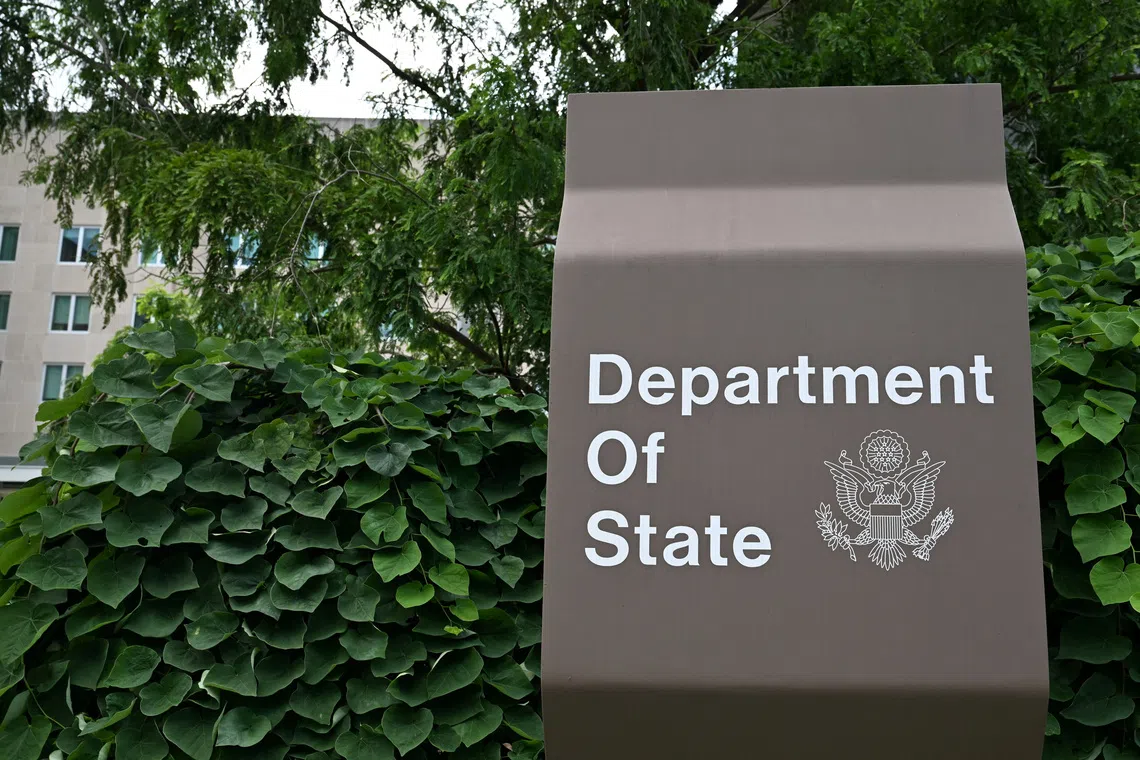
The United States has introduced a new policy requiring potential visa bonds of up to $25,700 for travelers originating from 50 specific countries. This measure is primarily aimed at curbing visa overstays, a persistent issue in the U.S. immigration system. The Department of Homeland Security (DHS) has stated that the program is designed to ensure that foreign nationals comply with the terms of their visas and depart the U.S. as required.
However, the initiative has drawn criticism from various groups, including immigration advocates and tourism industry representatives. These critics argue that the substantial financial requirement could act as a significant deterrent for legitimate tourists, students, and business travelers. They express concern that the policy might unfairly penalize individuals from countries with higher overstay rates, even if they have no intention of violating their visa terms. The potential impact on international travel and the perception of the U.S. as a welcoming destination is also a point of contention.
The U.S. government's implementation of visa bonds up to $25,700 for travelers from 50 countries represents a strategic shift towards a more stringent enforcement of immigration compliance. This policy aims to mitigate the financial and social costs associated with visa overstays by leveraging financial incentives for departure. However, the significant bond amounts raise questions about equitable access to travel and potential unintended consequences for legitimate visitors, particularly those from developing economies. The policy's effectiveness will depend on careful calibration to balance enforcement goals with the economic and cultural benefits of international tourism and exchange, while navigating potential diplomatic sensitivities and ensuring transparent application processes to avoid perceptions of discriminatory practice.
AI-generated to prompt reflection — not editorial opinion, not advice, not a statement of fact. How this works.