US Import Tariffs Face Renewed Uncertainty as July 24 Deadline Looms
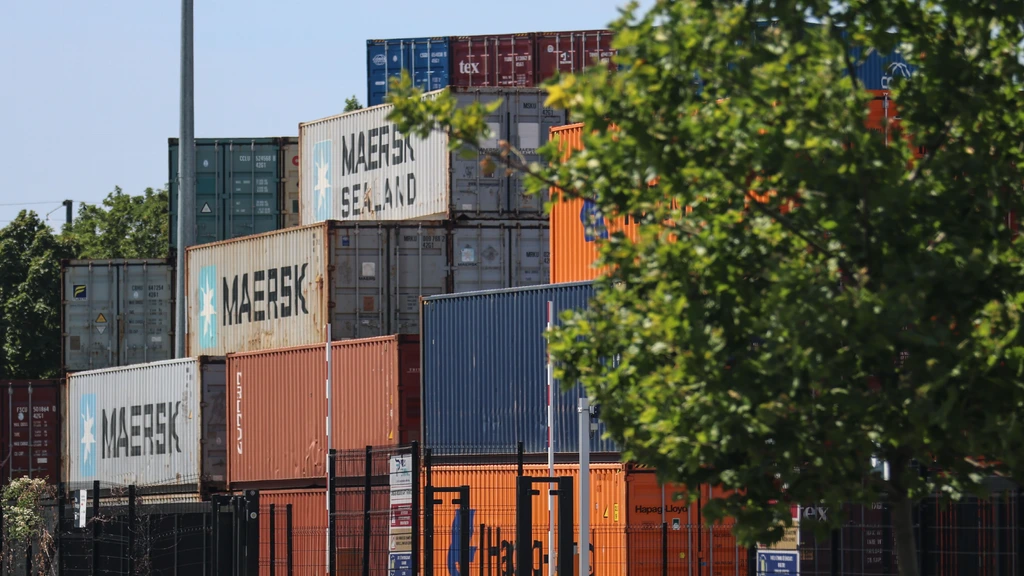
The United States is on the verge of introducing a new wave of import tariffs, as the current 10 percent levies, implemented in February, are set to expire on July 24. President Trump's administration has been actively seeking new legal justifications for these tariffs following a Supreme Court ruling that invalidated country-specific import duties. The initial 150-day period during which Trump could impose tariffs without Congressional approval expires on July 24, prompting the administration to explore new avenues. Investigations into "excess production" and forced labor in other countries, including the European Union, are reportedly being conducted to provide a basis for new duties. Experts suggest these new tariffs may be harder to challenge legally due to the preceding investigations. This situation creates significant uncertainty for Dutch and European businesses, particularly regarding existing trade agreements with the US. A deal struck on July 1 stipulated reduced EU tariffs on US goods and a 15 percent import tax on most European products entering the US. The key question is whether new tariffs will be imposed on top of this agreed-upon 15 percent, which the European Commission believes would violate the agreement, though the US has not ruled it out. Lingering uncertainty also surrounds existing tariffs on steel and aluminum, which have seen their scope expanded over the past year. Businesses, especially in the technology sector, are seeking clarity on potential scenarios to prepare their strategies. The situation risks reigniting trade disputes between the EU and the US, potentially leading to retaliatory measures and a trade war that could significantly impact Dutch exporters, despite previous assurances of cooperation.
The recurring imposition and potential expansion of US import tariffs highlight a persistent tension between national economic policy objectives and international trade agreements. The administration's strategy appears to leverage legal investigations into issues like forced labor as a means to legitimize new trade barriers, potentially circumventing established dispute resolution mechanisms. This approach creates significant market uncertainty, impacting supply chains and investment decisions for global businesses. The effectiveness and long-term consequences of such tariff policies, particularly in the context of evolving global economic structures and geopolitical dynamics, warrant careful consideration of their impact on economic stability and international cooperation.
AI-generated to prompt reflection — not editorial opinion, not advice, not a statement of fact. How this works.