US Imposes 12.5% Tariffs on South Korean Goods in New Trade Action
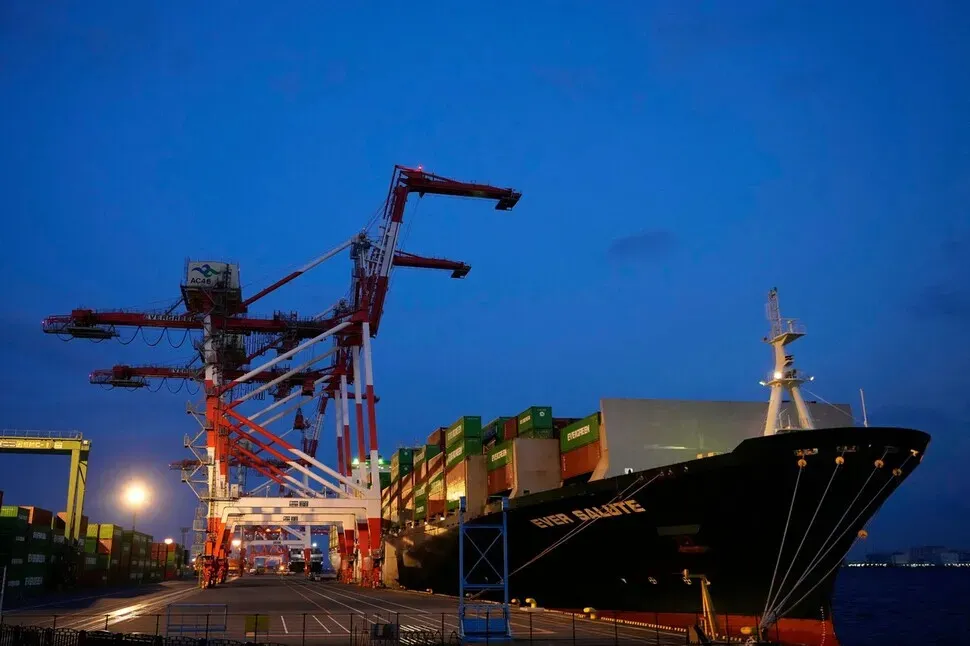
The United States has initiated a new round of tariffs, specifically targeting goods originating from South Korea. The newly imposed duty rate stands at 12.5%. This action marks a significant escalation in trade tensions between the two nations. The specific categories of South Korean goods affected by this tariff increase have not been detailed in the initial report. However, the move is expected to have considerable implications for South Korean exporters and the broader bilateral trade relationship. The US government has not yet provided a comprehensive justification for the tariff hike. South Korean officials are reportedly assessing the economic impact and considering potential responses to the US decision. This development could lead to retaliatory measures from South Korea or further complicate existing trade negotiations. The increase in tariffs is a notable development in the ongoing global trade landscape. It underscores the dynamic and often contentious nature of international commerce.
The imposition of a 12.5% tariff by the US on South Korean goods signifies a shift in trade policy dynamics, potentially driven by a desire to rebalance bilateral trade deficits or protect domestic industries. From a systemic perspective, such tariffs can disrupt established supply chains, increase costs for consumers and businesses in both nations, and may trigger reciprocal actions, leading to a cycle of escalating trade friction. Looking ahead, this move could influence future trade agreements and investment flows, as companies reassess geopolitical risks and operational costs. The long-term economic implications will depend on the duration of these tariffs, the adaptability of South Korean industries, and the broader geopolitical context shaping international trade relations in the coming decade.
AI-generated to prompt reflection — not editorial opinion, not advice, not a statement of fact. How this works.