US Imposes 21-Day Ebola Quarantine for Travelers from Congo
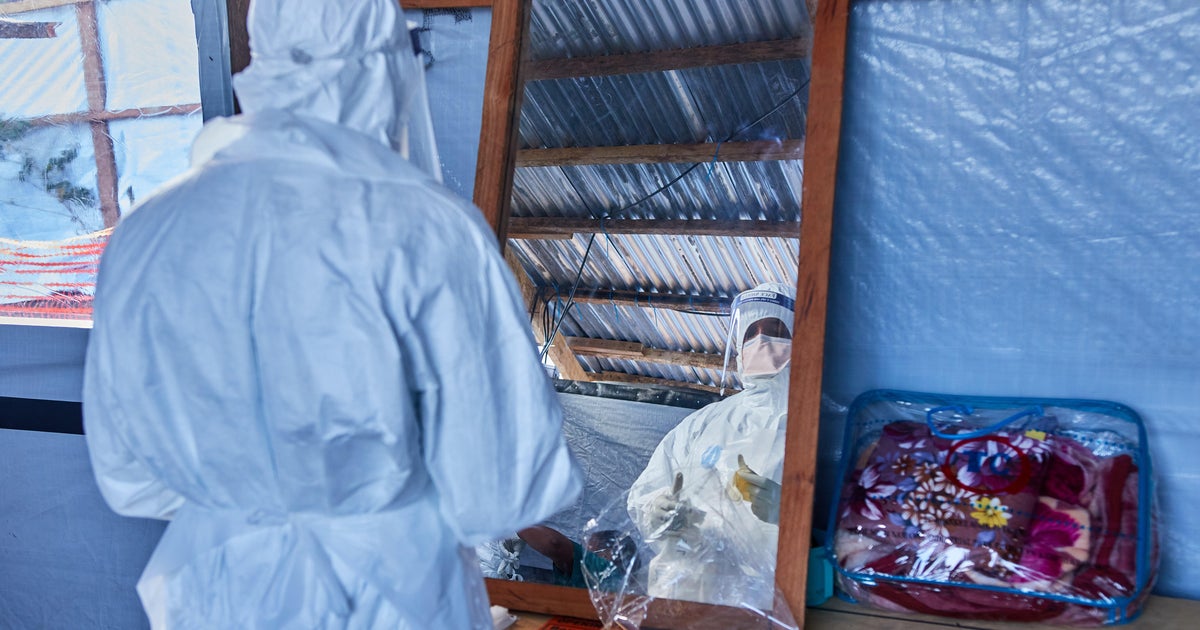
U.S. health officials have implemented a new quarantine measure for individuals traveling from the Democratic Republic of Congo. All U.S. citizens returning from Congo must now spend a minimum of 21 days in a third country before being permitted to enter the United States. This decision stems from concerns raised by U.S. health authorities regarding the potential spread of the Ebola virus. The quarantine period is a standard measure used to monitor for the incubation period of infectious diseases. The aim is to prevent the introduction and subsequent transmission of Ebola within the United States. This policy reflects the ongoing vigilance required to manage global health threats. Further details on the specific implementation and any exceptions are expected to be released by health agencies.
The U.S. policy of requiring a 21-day quarantine for travelers from the Democratic Republic of Congo highlights the persistent challenge of containing infectious disease outbreaks in a globally interconnected world. This measure, while aimed at public health security, raises questions about the balance between national safety and international travel freedoms. Such policies can impact economies reliant on tourism and trade, and may necessitate robust international cooperation for effective disease surveillance and response. Looking ahead, the increasing frequency of such health crises underscores the need for resilient global health infrastructure and equitable access to medical resources, particularly in regions prone to outbreaks.
AI-generated to prompt reflection — not editorial opinion, not advice, not a statement of fact. How this works.