US Imposes 25% Tariff on Brazilian Goods, Citing Trade Barriers
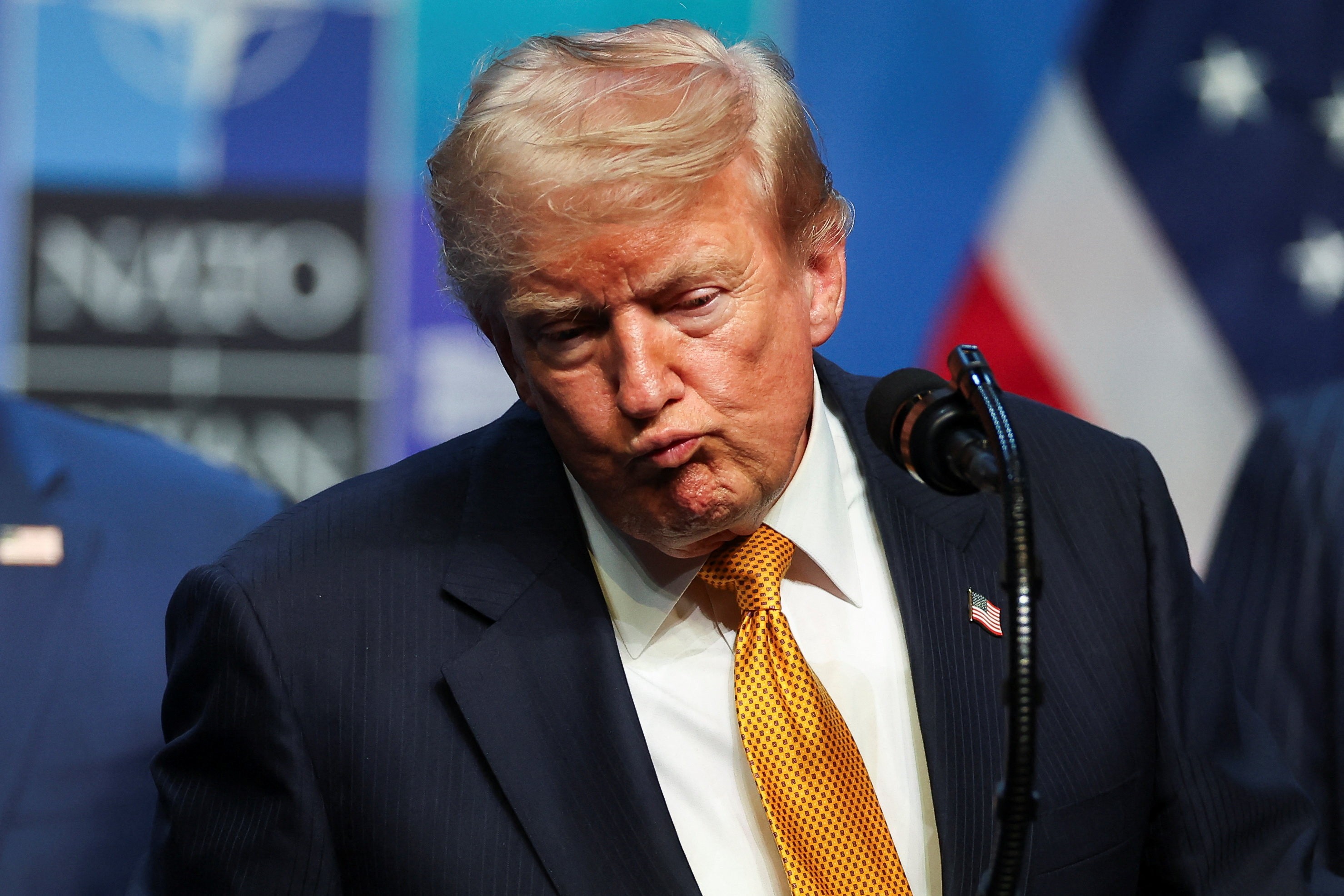
The United States Trade Representative (USTR) has confirmed a new 25% tariff on Brazilian products, set to take effect on July 22. This measure stems from a year-long investigation under Section 301 of the Trade Act of 1974, which allows the U.S. to address alleged trade barriers. The Trump administration claims Brazil engages in practices that "burden or restrict" trade with the U.S., citing issues such as the PIX payment system, access to the ethanol market, illegal deforestation, and piracy. However, key export items like oil, coffee, beef, aircraft, and cellulose are exempt from the new tariff, as are products deemed sensitive to the U.S. economy or for which domestic production is insufficient. Despite the accusations, many of Brazil's most significant export products will not be subject to the new charge. Negotiations between the U.S. and Brazilian governments, including input from economic sectors through public hearings, preceded this decision. The U.S. stated that attempts to resolve these issues over the past year were unsuccessful. Major sticking points reportedly included the PIX system, U.S. ethanol market access, and a proposed four-year moratorium on digital platform taxes. The Brazilian government considers these points non-negotiable and views the tariff as a political decision, a claim the U.S. denies, asserting the goal is to level the playing field for American companies. The U.S. clarified that its aim is not to end PIX but to alter its functioning to ensure fair conditions for U.S. electronic payment firms. The U.S. also has a separate, parallel investigation concerning products made with forced labor, which could lead to an additional 12.5% tariff on Brazil and 60 other economies, though this is still under review. Brazilian officials estimate that if both tariffs are applied cumulatively, the total could reach 37.5% on some exports.
The U.S. imposition of tariffs on Brazilian goods, framed under trade law, highlights the complex interplay between national economic interests and international trade relations. The cited reasons, ranging from payment systems to environmental practices, suggest a broad application of trade policy as a tool for achieving diverse national objectives beyond traditional market access issues. This approach raises questions about the potential for trade disputes to become instruments for influencing domestic policies in other sovereign nations. The U.S. administration's assertion that the tariffs aim to correct unfair practices, rather than serve political ends, underscores the ongoing debate over the definition and enforcement of fair trade. As global trade frameworks evolve, such actions may prompt a reevaluation of international dispute resolution mechanisms and the balance of power within the global economic system.
AI-generated to prompt reflection — not editorial opinion, not advice, not a statement of fact. How this works.