US Imposes 25% Tariff on Brazilian Goods, Citing Trade Barriers
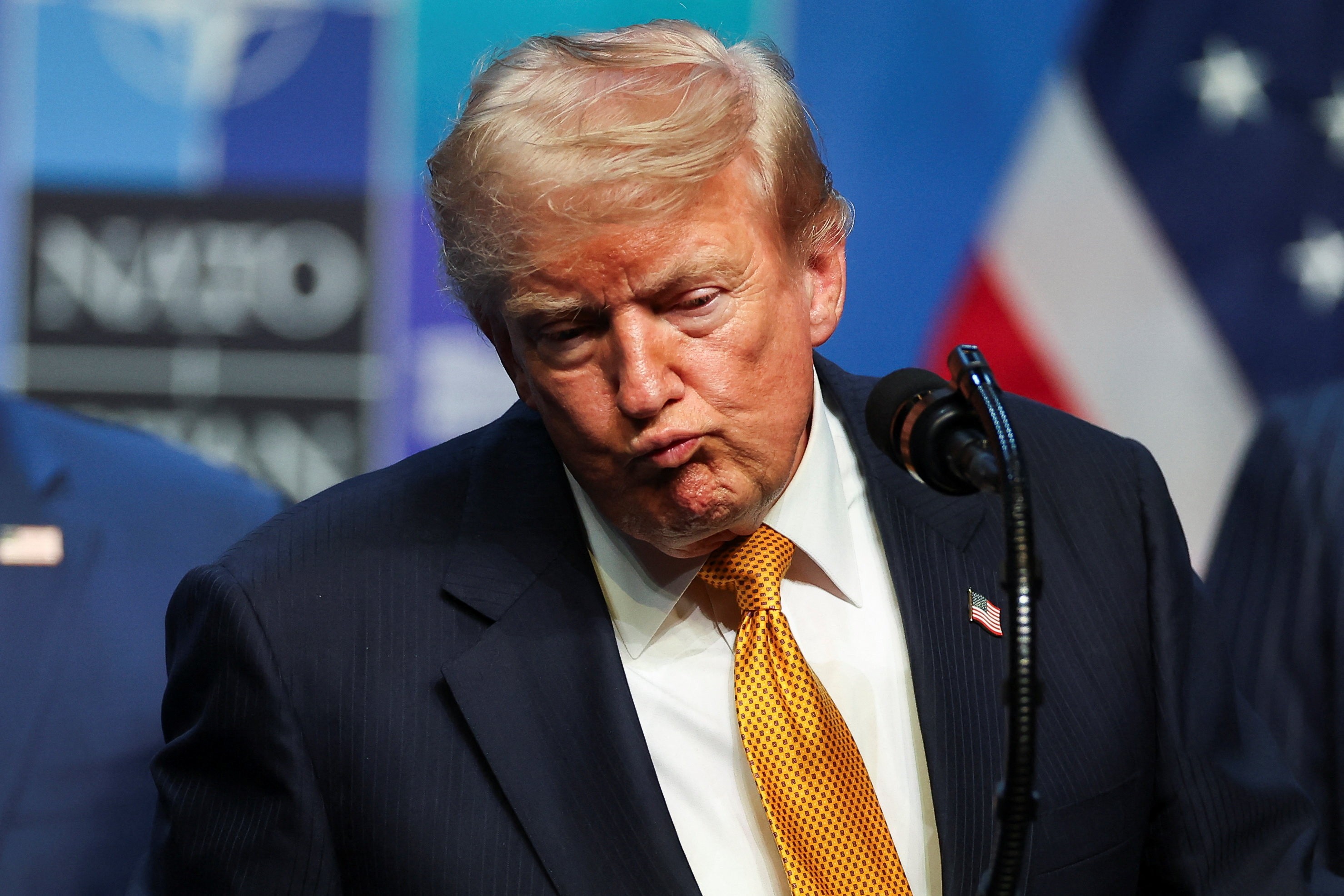
The Office of the United States Trade Representative (USTR) has confirmed the imposition of a 25% additional tariff on Brazilian products, set to take effect on July 22. This decision stems from a year-long trade investigation under Section 301 of the Trade Act of 1974, which allows the U.S. government to investigate and address alleged trade barriers. The Trump administration claims Brazil employs practices that "burden or restrict" trade with the U.S., citing issues such as the PIX payment system, ethanol market access, illegal deforestation, and piracy. Despite these accusations, key Brazilian exports like petroleum, coffee, beef, aircraft, and cellulose are exempt from the new tariff. These exemptions include products deemed sensitive to the U.S. economy due to potential price impacts or insufficient domestic production. The USTR concluded its investigation after negotiations between the Brazilian and U.S. governments and public hearings with various economic sectors. The U.S. asserts that negotiations over the past year failed to resolve the perceived unfair practices. Major points of contention for Brazil included the PIX system, U.S. ethanol market access, and a proposed four-year moratorium on digital platform taxes. Brazil's government considers these issues non-negotiable and views the tariff as a political decision, a claim the U.S. denies, stating its aim is to reverse practices harming U.S. competitiveness, not to end PIX itself but to ensure fair conditions for U.S. electronic payment companies. The U.S. also noted that the tariff could be modified or suspended if Brazil addresses the questioned practices. In a separate but related process, the U.S. is considering a 12.5% tariff on goods from 60 economies, including Brazil, for not adequately preventing products made with forced labor. Brazil's government estimates these measures could cumulatively result in tariffs up to 37.5% on some exports.
The U.S. imposition of tariffs on Brazilian goods, framed as a response to trade barriers, highlights the complex interplay of national economic interests and international trade policy. The investigation, utilizing Section 301 of the Trade Act of 1974, suggests a U.S. strategy to leverage trade enforcement mechanisms to achieve specific policy objectives in areas ranging from digital payments to environmental practices. While the U.S. frames these actions as necessary to ensure fair competition, Brazil's perspective points to the potential for such measures to be perceived as politically motivated, particularly given the exemptions for significant export categories. This situation underscores the inherent tension between a nation's right to regulate its domestic market and the global imperative for open trade. Future trade relations will likely be shaped by the ability of both nations to find common ground on issues like digital governance and market access, balancing national priorities with the evolving landscape of global commerce in the coming decade.
AI-generated to prompt reflection — not editorial opinion, not advice, not a statement of fact. How this works.