US Imposes 25% Tariff on Brazilian Goods, Excluding Key Exports
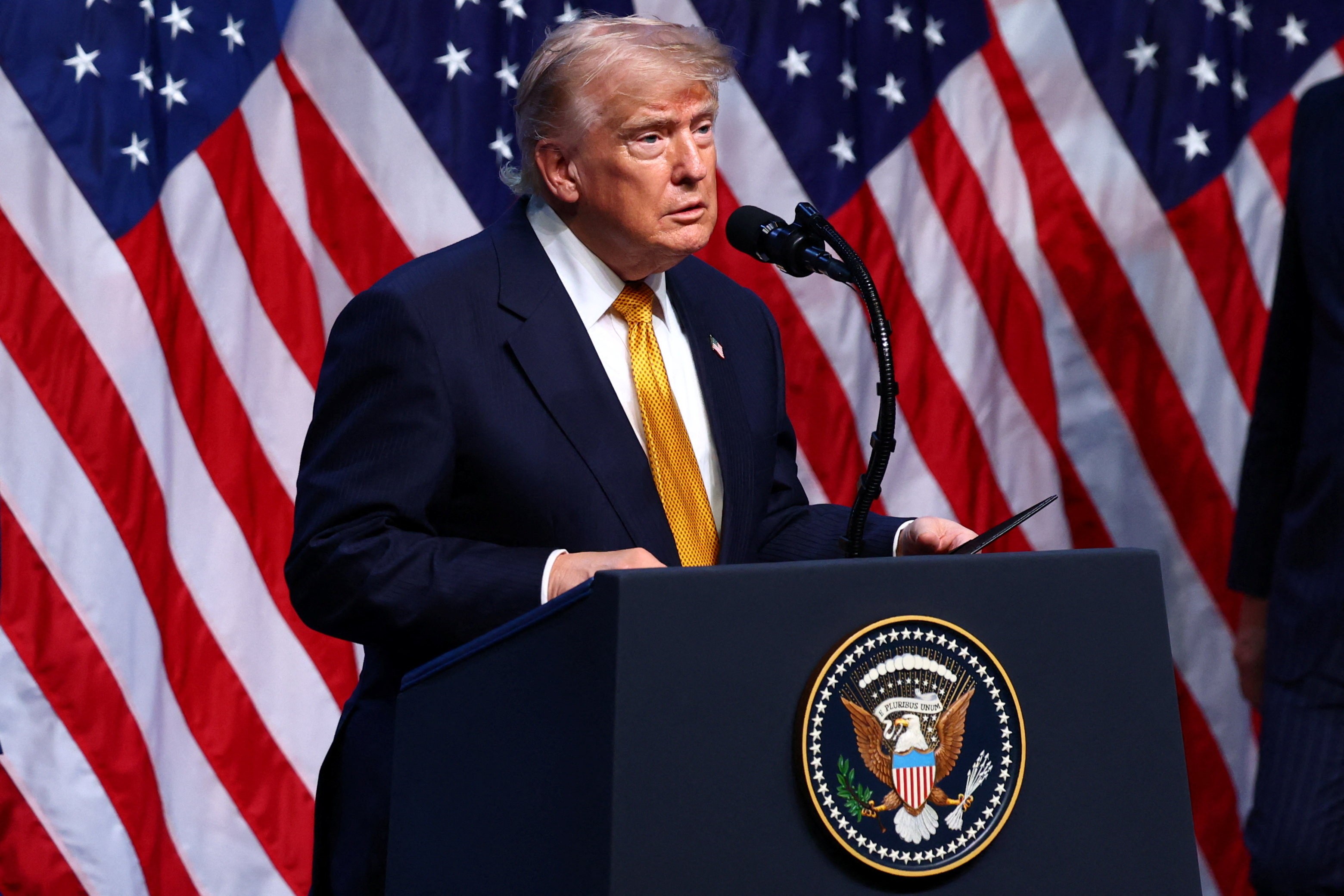
The United States has announced a 25% tariff on a wide range of Brazilian products, set to take effect on July 22. This measure follows a trade investigation by the Office of the U.S. Trade Representative (USTR) and is expected to impact approximately $15 billion in annual exports, according to preliminary estimates from the National Confederation of Industry (CNI). The new tariff is based on Section 301 of U.S. trade legislation and comes after a year of negotiations between Brazil and the U.S. that failed to prevent its implementation. Despite the broad scope, major Brazilian export items such as beef, coffee, crude oil, aircraft, and cellulose are exempt from the new charge. Other exempted products include oranges and orange juice, pharmaceuticals, semiconductors, fish, tropical wood, iron ore, and helicopters. The U.S. government cited Brazilian practices, including the PIX payment system, ethanol trade access, illegal deforestation, and piracy, as reasons for the tariffs. The USTR stated that the measure could be modified or suspended if Brazil addresses the questioned practices. This new tariff adds to existing U.S. duties on Brazilian steel and aluminum, and potentially a future 12.5% tariff related to forced labor concerns. Brazilian officials are considering retaliatory measures, including invoking the Economic Reciprocity Law, or continuing diplomatic negotiations.
The U.S. imposition of a 25% tariff on Brazilian goods, while exempting key commodities, reflects a strategic use of trade policy to address perceived imbalances and influence specific domestic practices in Brazil. This action, framed within Section 301 of U.S. trade law, highlights a broader trend of leveraging trade disputes to achieve non-trade objectives, such as environmental and digital policy alignment. The exemption of critical exports suggests a targeted approach, aiming to minimize broader economic disruption while applying pressure on specific sectors or policies. Brazil's potential invocation of the Economic Reciprocity Law signals a willingness to engage in tit-for-tat measures, potentially escalating trade tensions. Looking ahead, such bilateral tariff actions could fragment global supply chains and incentivize diversification, impacting long-term trade relationships and potentially fostering regional trade blocs as nations seek more stable economic partnerships.
AI-generated to prompt reflection — not editorial opinion, not advice, not a statement of fact. How this works.