US Imposes 25% Tariffs on Brazil, Citing PIX, Corruption, and Big Tech Actions
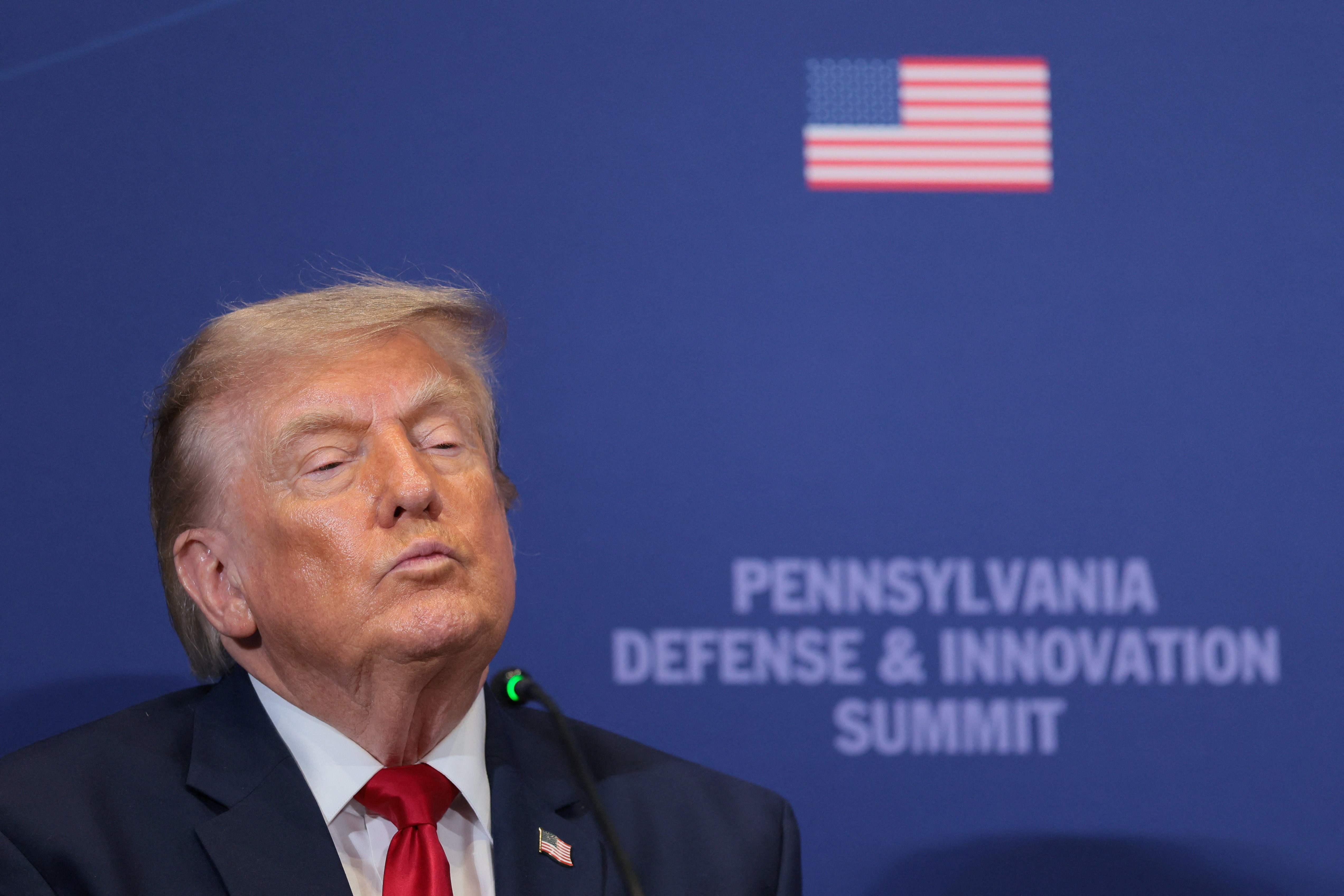
The Trump administration has imposed a new 25% tariff on Brazilian goods, effective July 22nd. The U.S. Trade Representative's Office (USTR) cited a range of economic, legal, and environmental concerns as justification for the measure. These include alleged discrimination against U.S. electronic payment providers by Brazil's PIX system, corruption within Brazil, and judicial actions by Brazil's Supreme Court against American big tech companies like X, Meta, and Google. The USTR also pointed to Brazil's alleged unfair tariff policies, inadequate intellectual property protection, and specific issues with ethanol tariffs. Environmental concerns, particularly illegal deforestation in the Amazon, were also raised, with the USTR claiming it harms U.S. timber competitiveness. The U.S. government also accused Brazil of granting preferential tariffs to countries like Mexico and India, disadvantaging American exporters. Brazil's continued presence on the "Watch List" of the Special 301 report since 2007, due to concerns over patent, trademark, and copyright protection, was also highlighted. U.S. Secretary of State Marco Rubio suggested the Lula administration was not negotiating in good faith, adding a political dimension to the economic measure. President Lula has condemned the tariffs and vowed to respond with the Law of Reciprocity.
The U.S. imposition of tariffs on Brazil, framed by a diverse set of grievances from digital payments and legal actions against tech firms to environmental practices and intellectual property rights, suggests a strategic recalibration of trade relations. By broadening the scope of justifications beyond purely economic factors, the U.S. administration appears to be leveraging multiple policy levers to exert pressure. This approach, while potentially effective in achieving specific concessions, risks escalating trade disputes and complicating international cooperation on shared challenges like climate change. The inclusion of issues such as PIX and judicial decisions against big tech indicates a willingness to scrutinize domestic regulatory and legal frameworks of trading partners, potentially setting a precedent for future trade negotiations. The long-term implications may involve a more fragmented global trade landscape, where market access is increasingly contingent on adherence to a wider array of national policy objectives, rather than solely on traditional trade principles.
AI-generated to prompt reflection — not editorial opinion, not advice, not a statement of fact. How this works.