US Imposes 25% Tariffs on Brazilian Exports Starting Wednesday
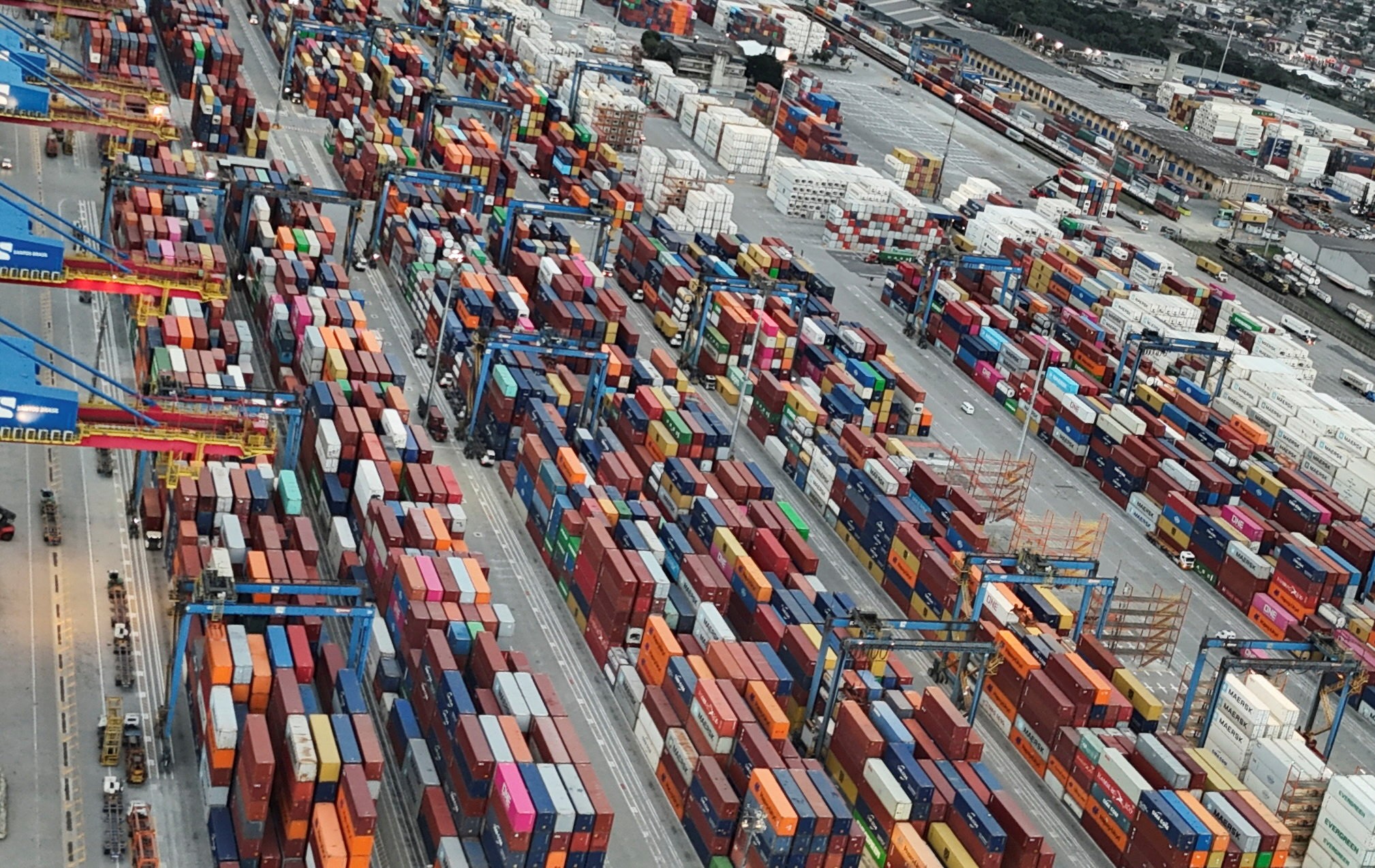
The United States has implemented an additional 25% tariff on a portion of Brazilian products exported to the U.S., effective Wednesday, May 22nd. This measure follows an investigation by the Trump administration, which concluded that Brazil employs practices that "burden or restrict" trade with the U.S. Specific examples cited include Brazil's PIX payment system and its regulation of digital platforms. The Brazilian government has strongly contested these justifications, viewing the tariffs as political interference in internal matters and asserting that the tariffs are politically motivated.
A significant number of products, including oil, coffee, and beef, are excluded from the new tariffs. However, sectors such as ethanol, agricultural machinery, and paper will be directly impacted. The tariffs will affect approximately 18% of Brazilian exports to the U.S., valued at $7.4 billion based on 2024 figures, or 15% ($5.8 billion) if based on 2025 projections. The Ministry of Finance stated that despite the affected segments, the measure is not expected to significantly impact the overall Brazilian economy, with 57% of products remaining tariff-free. The Confederation of Agriculture and Livestock of Brazil estimates the tariffs will affect R$4.6 billion annually in agricultural exports.
The U.S. justification stems from an investigation under Section 301 of the Trade Act of 1974, citing "irrational" or "restrictive" Brazilian policies. These include alleged favoritism towards PIX over U.S. payment companies, concerns over judicial decisions on digital platforms, preferential trade agreements with countries like Mexico and India, inadequate enforcement against illegal deforestation, lack of reciprocity in the ethanol market, issues with intellectual property protection, and criticisms related to anti-corruption measures. Brazil's government has labeled the tariffs a "regrettable milestone" and, while initiating procedures to invoke the Economic Reciprocity Law, is exercising caution to avoid escalating tensions and potential retaliatory measures from the U.S., with business sectors advocating for diplomatic solutions.
The imposition of U.S. tariffs on Brazilian goods, justified by claims of trade restrictions and policy issues, highlights the complex interplay between national economic interests and international trade relations. The U.S. action, framed within Section 301 of its Trade Act, suggests a strategic use of trade policy to address perceived imbalances or gain leverage on issues ranging from digital payments to environmental enforcement. Brazil's response, characterized by strong diplomatic language and the consideration of reciprocal measures, reflects a delicate balance between asserting sovereignty and managing potential economic fallout. The situation underscores the evolving landscape of global trade, where non-tariff barriers and regulatory disputes are increasingly becoming focal points for international economic friction, potentially shaping future trade agreements and geopolitical alignments over the next decade.
AI-generated to prompt reflection — not editorial opinion, not advice, not a statement of fact. How this works.