US Imposes 25% Tariffs on Brazilian Goods, Citing Unfair Trade Practices
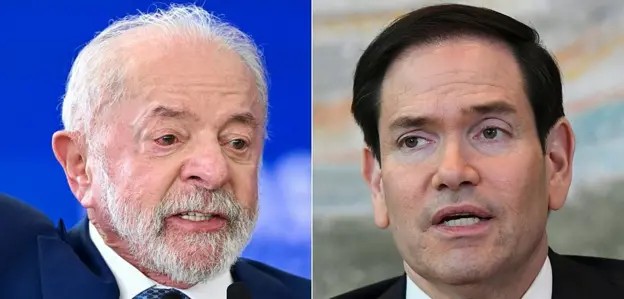
The United States has announced a 25% tariff on a range of Brazilian exports, including ethanol, agricultural machinery, clothing, and electrical equipment, set to take effect on July 22. This decision follows an investigation by the U.S. Trade Representative (USTR) into alleged unfair Brazilian trade practices. Secretary of State Marco Rubio, a key figure in the Trump administration's approach to Latin America, stated that Brazilian President Luiz Inácio Lula da Silva "prioritized his own ego over an agreement for the well-being of the Brazilian people" and "did not negotiate in good faith." Rubio further claimed that Brazil's economic policies are detrimental to both Americans and Brazilians. Brazilian officials, speaking anonymously, countered that the U.S. was unwilling to consider Brazilian arguments and that the tariffs are politically motivated rather than based on commercial considerations. The USTR, represented by Jamieson Greer, justified the measure as necessary to protect U.S. economic interests and ensure fair competition for American workers and businesses. The investigation targeted issues such as alleged irregularities with Brazil's Pix payment system, judicial decisions against U.S. digital platforms, perceived favoritism towards Mexican and Indian products, and concerns over corruption, piracy, and illegal deforestation. The Brazilian government formally repudiated the decision, calling July 15 a "regrettable milestone" in bilateral relations and announced plans to invoke the Law of Reciprocity and take the case to the World Trade Organization (WTO). Senator Flávio Bolsonaro criticized President Lula, echoing Rubio's sentiments and suggesting Lula is unfit to lead Brazil. This marks the second tariff imposition by the U.S. on Brazil within a year, stemming from a 1974 trade law allowing retaliation against perceived unfair foreign trade practices.
The imposition of U.S. tariffs on Brazilian goods highlights a recurring tension in international trade relations, where national economic interests and political considerations often intertwine. The U.S. justification, framed around unfair trade practices and protecting domestic industries, reflects a protectionist stance that can be amplified during periods of political transition or heightened geopolitical competition. Conversely, Brazil's response, citing political motivations and a lack of good-faith negotiation, points to a perception that trade disputes can be leveraged for broader political objectives. The involvement of figures like Marco Rubio, known for his assertive foreign policy approach, suggests that the U.S. action may be influenced by ideological factors beyond purely economic calculations. As global trade dynamics evolve, particularly with the rise of digital economies and the increasing importance of supply chain resilience, such disputes underscore the challenge of balancing national sovereignty with the principles of free and fair international commerce. The potential for retaliatory measures, such as Brazil's invocation of the Law of Reciprocity and appeal to the WTO, indicates that these trade disagreements could escalate, impacting broader diplomatic and economic ties between the two nations.
AI-generated to prompt reflection — not editorial opinion, not advice, not a statement of fact. How this works.