US Imposes 50% Additional Tariff on Select Canadian Products
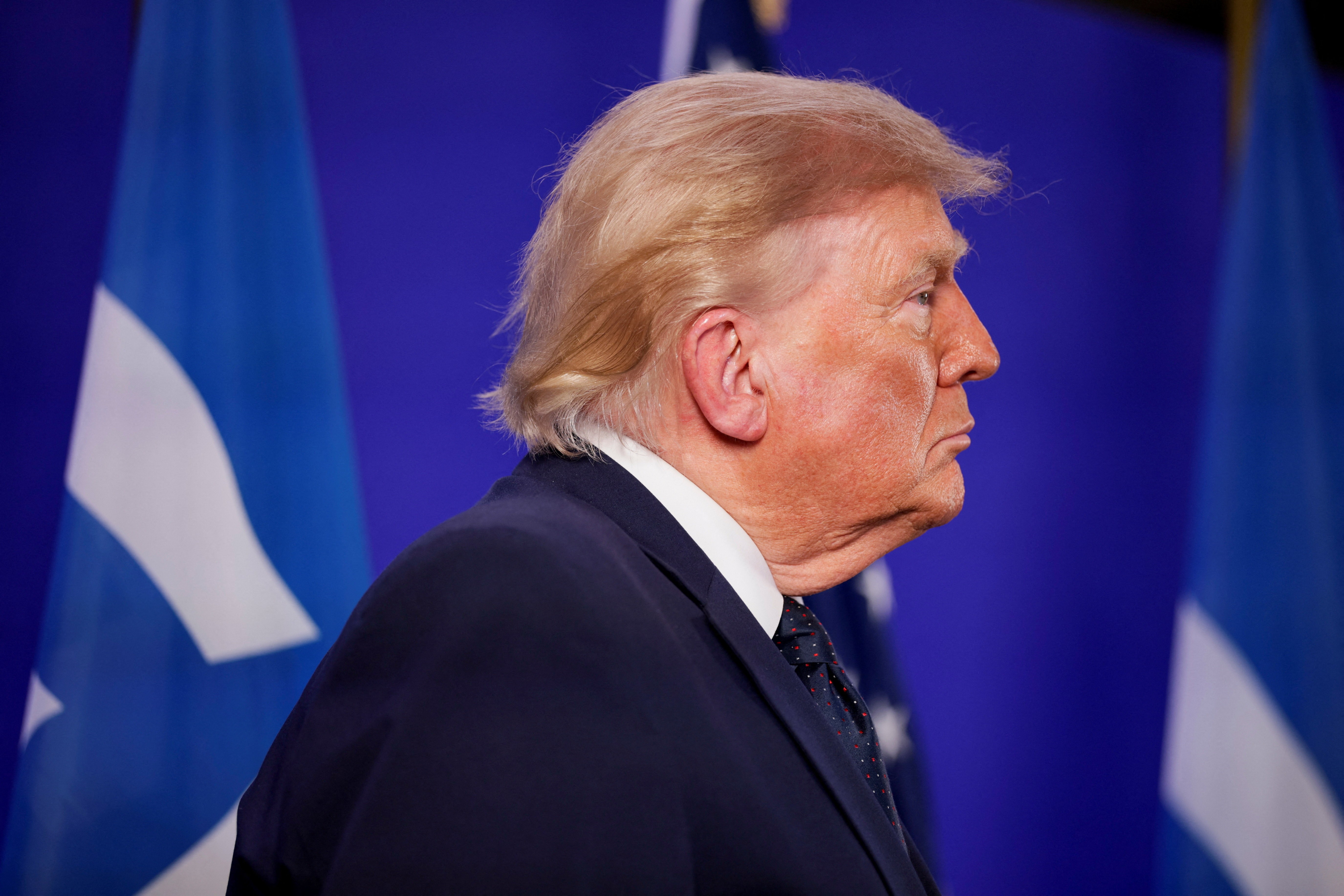
The White House announced on Monday, August 20th, that it will impose an additional 50% tariff on a wide range of products imported from Canada. This measure is a direct response to what the US administration describes as discriminatory treatment by Canada against American products, particularly in the automotive, alcoholic beverage, and dairy sectors. President Donald Trump signed three proclamations authorizing the tariffs under Section 338 of the Tariff Act of 1930, which permits tariffs of up to 50% on imports from specific countries. The stated objective is to offset the burden or disadvantage resulting from discrimination against United States trade.
The new tariffs, effective August 19th, 2026, at 12:01 AM Eastern Time, will affect a diverse array of Canadian goods, including wines, hockey sticks, and cement, according to the White House. However, the additional 50% tariff will not apply to products already subject to import restrictions under Section 232 of the Trade Expansion Act of 1962, nor to certain civilian aircraft parts and components. The proclamation asserts that Canada's tariff system specifically disadvantages American vehicles while favoring other nations, leading to a 22% drop in US auto exports to Canada between April 2025 and March 2026. The US government views these additional tariffs as necessary and appropriate to safeguard American interests and compel the Canadian government to cease these practices.
The US action to impose significant additional tariffs on Canadian goods reflects a protectionist trade strategy, leveraging Section 338 of the Tariff Act of 1930 to address perceived trade imbalances. This approach, while framed as a response to discrimination, introduces new friction into bilateral trade relationships and may trigger retaliatory measures, impacting supply chains and consumer prices. The reliance on broad tariff measures, rather than targeted negotiations or dispute resolution mechanisms within existing trade agreements, suggests a preference for unilateral leverage. Looking ahead, such actions could challenge the stability of established trade frameworks and prompt businesses to re-evaluate cross-border operations, potentially accelerating diversification strategies to mitigate geopolitical and policy risks in North America.
AI-generated to prompt reflection — not editorial opinion, not advice, not a statement of fact. How this works.