US Imposes 50% Tariffs on Canadian Goods, Citing Harmful Practices
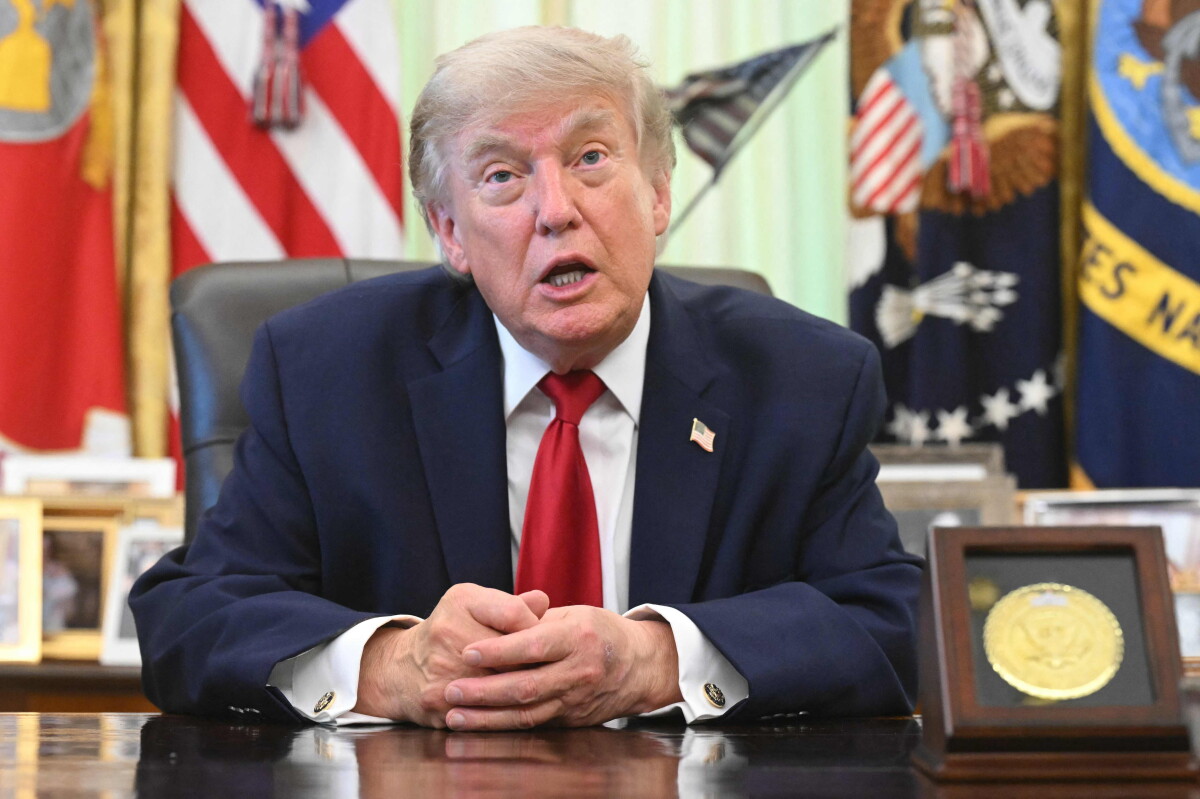
The United States has imposed an additional 50% tariff on certain Canadian goods, a move that bypasses the existing trade agreement between the two countries and Mexico. President Donald Trump invoked a legal provision from 1930 to enact these new taxes. The administration stated that these measures are a response to what it deems "harmful practices" by Canada. This action signals a significant shift in trade policy, potentially impacting various sectors of the Canadian economy. The specific products targeted by these tariffs have not yet been fully detailed, but they are understood to be within sectors deemed protected by the U.S. administration. This development raises concerns about the future of North American trade relations and could lead to retaliatory measures from Canada. The use of a 1930s trade law indicates a willingness to employ older, more protectionist trade tools.
The U.S. administration's decision to impose tariffs on Canadian goods, leveraging a 1930s trade provision, suggests a strategic prioritization of domestic industries over established multilateral trade frameworks. This action may reflect an incentive structure aimed at bolstering specific U.S. sectors, potentially at the expense of broader economic integration and diplomatic harmony. Looking ahead, such unilateral trade actions could foster an environment of uncertainty, impacting investment decisions and supply chain stability across North America. The long-term implications may involve a recalibration of trade partnerships, with nations reassessing their reliance on existing agreements and potentially seeking more resilient, diversified economic relationships in anticipation of future trade disputes.
AI-generated to prompt reflection — not editorial opinion, not advice, not a statement of fact. How this works.