US Imposes Daily Fines on Migrants Facing Final Deportation Orders
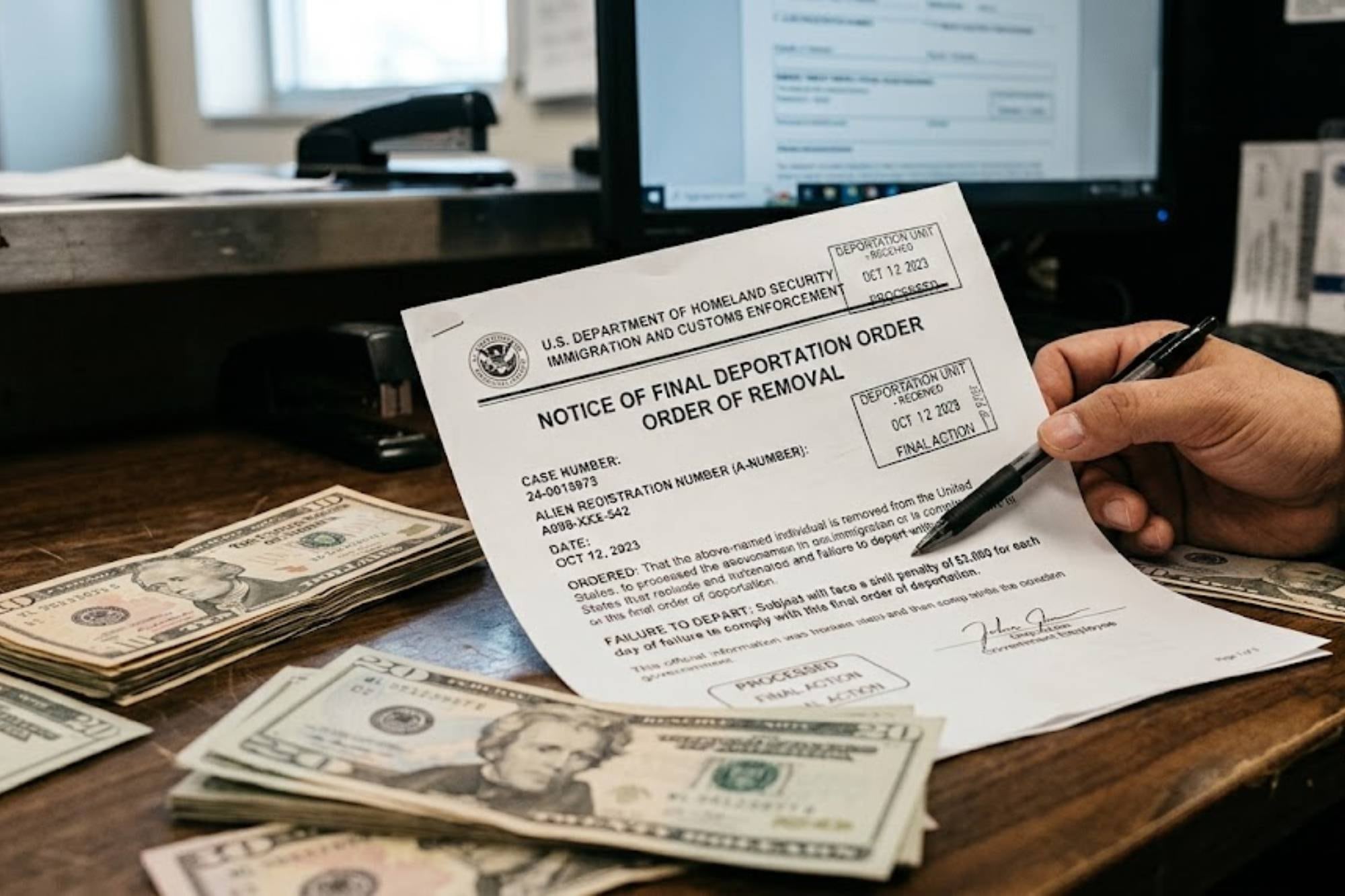
The U.S. Department of Homeland Security (DHS) has implemented a new policy imposing daily fines on migrants who do not comply with final deportation orders. This measure aims to enforce immigration laws and expedite the removal process for individuals who have exhausted their legal avenues to remain in the country. The fines are calculated on a daily basis, meaning the financial penalty accrues each day the individual remains in the U.S. after their deportation order becomes final. The Customs and Border Protection (CBP) Home initiative offers certain options for migrants to avoid these penalties. These options may include voluntary departure programs or other legal pathways that allow individuals to leave the country without incurring further sanctions. The DHS has stated that this policy is a necessary step to maintain the integrity of the immigration system and deter illegal immigration. Migrants facing such orders are strongly advised to seek legal counsel to understand their rights and available options to comply with the law and avoid accumulating significant fines.
The DHS's implementation of daily fines for non-compliant migrants facing deportation orders reflects a strategy to increase the economic deterrent against remaining in the U.S. unlawfully. This policy shift could incentivize voluntary departures, potentially reducing the burden on detention and removal resources. However, it also raises questions about the practical enforceability of these fines, particularly for individuals with limited financial means. The effectiveness of such measures will likely depend on the clarity of the process for avoiding penalties, as facilitated by CBP Home, and the availability of robust legal aid for migrants to navigate these complex immigration proceedings. Future considerations may involve assessing the long-term impact on migrant populations and the potential for unintended consequences, such as driving individuals further underground or into precarious economic situations.
AI-generated to prompt reflection — not editorial opinion, not advice, not a statement of fact. How this works.