US Imposes Highest Average Tariffs on Brazil Among South American Nations
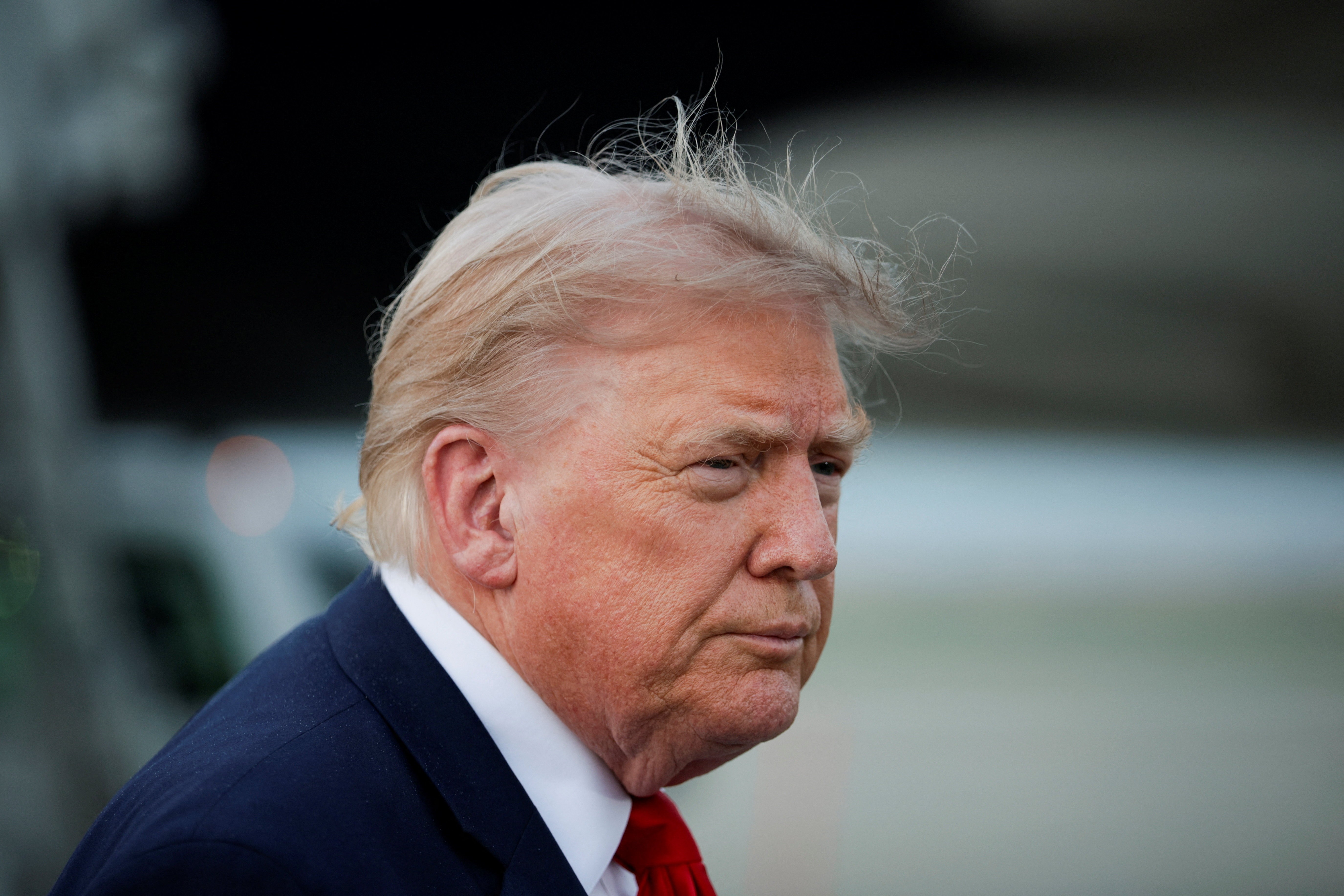
As of Wednesday, July 22nd, Brazil faces the highest average tariff rate imposed by the United States among all South American countries. This change follows new duties announced by former President Donald Trump. According to the Global Trade Alert (GTA), an independent Swiss-based research initiative, Brazil's effective average tariff has risen to 18.17%. Prior to these new measures, Brazil and Uruguay shared an average tariff of 11.66%, with Paraguay having a slightly higher rate of 12.92%. The GTA's calculation considers the weight of each product in Brazil's export portfolio and any exceptions to the new rules, differing from the 25% figure initially announced by Trump. This 18.17% average is expected to be in effect from July 22nd to July 26th, when a temporary 10% tariff expires. Subsequently, the GTA estimates Brazil's average tariff will decrease to 14.42%. However, this relief may be short-lived, as the Trump administration had indicated plans to introduce additional tariffs, potentially between 10% and 12.5%, to replace the expiring one. Experts suggest Brazil became a primary target due to a confluence of political, economic, strategic, and diplomatic factors, including ideological misalignment and Brazil's economic relationship with China amidst US-China global competition.
The imposition of elevated U.S. tariffs on Brazil, exceeding those on neighboring South American nations, reflects a strategic trade policy shift under the Trump administration, prioritizing national economic interests and potentially leveraging geopolitical alignments. The rationale appears to extend beyond purely economic considerations, encompassing ideological stances and diplomatic leverage in a competitive global landscape. While the immediate impact is a higher cost for Brazilian exports, the underlying dynamic suggests a broader U.S. strategy to rebalance trade relationships and assert influence. The situation highlights the inherent tension between nationalistic trade policies and the complexities of international economic interdependence, particularly concerning major economies like Brazil that maintain significant ties with both the U.S. and China. Future trade relations will likely be shaped by ongoing negotiations and the evolving geopolitical priorities of both nations, with potential for further adjustments based on reciprocal actions and global economic trends.
AI-generated to prompt reflection — not editorial opinion, not advice, not a statement of fact. How this works.