US Imposes New Import Tariffs on Goods from 60 Economies
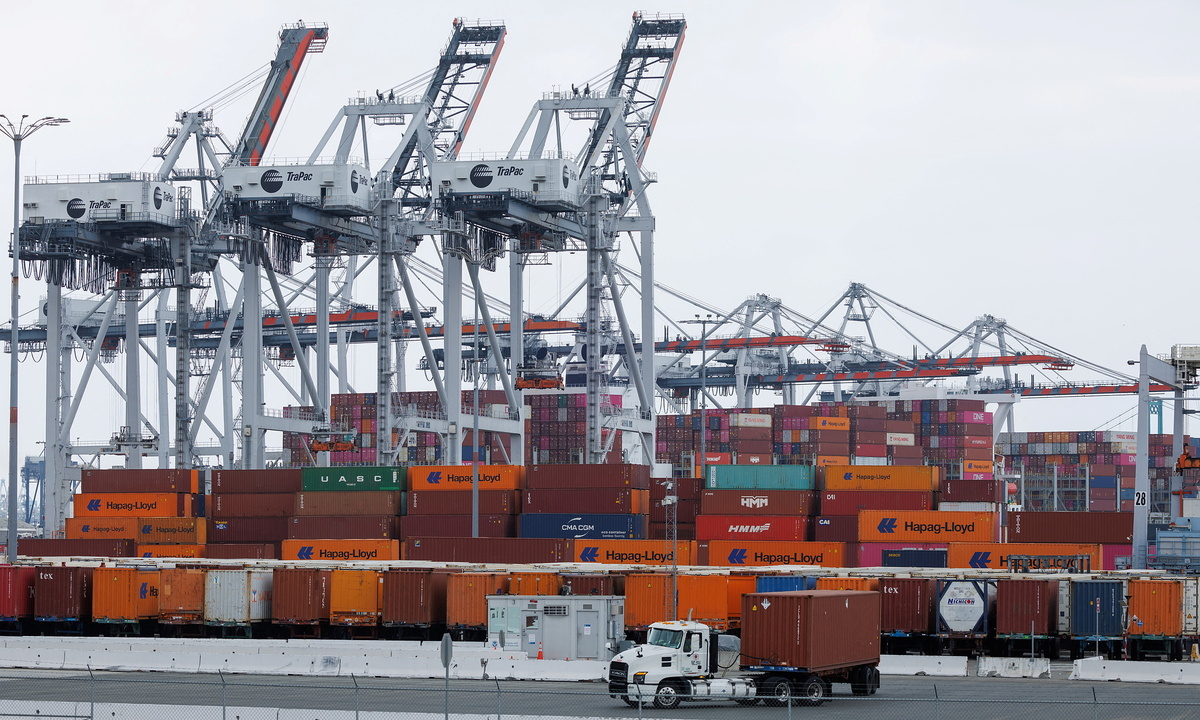
Effective from midnight on July 24th (US time), the United States has begun implementing new import tariffs. These tariffs apply to goods originating from 60 different economies. The decision follows an investigation into alleged unfair trade practices by these nations. The new measures are designed to address concerns about trade imbalances and competitive disadvantages faced by American industries. The specific details of the tariffs, including the percentage rates and the exact list of goods affected, are expected to be released shortly. This move signals a significant shift in US trade policy, potentially impacting global supply chains and international commerce. Businesses involved in import and export activities with the affected countries will need to assess the financial implications and adjust their strategies accordingly. The US government stated that the investigation aimed to create a more level playing field for domestic producers.
The imposition of new import tariffs by the US on 60 economies represents a strategic application of trade policy tools to address perceived unfair trade practices. This action is likely driven by a desire to protect domestic industries and rebalance trade deficits, aligning with broader economic objectives. From a systemic perspective, such tariffs can create ripple effects across global supply chains, potentially leading to increased costs for consumers and businesses, and possibly triggering retaliatory measures from affected nations. The long-term efficacy of these tariffs will depend on their impact on US economic competitiveness, the adaptive responses of trading partners, and the evolving landscape of international trade agreements in the coming decade.
AI-generated to prompt reflection — not editorial opinion, not advice, not a statement of fact. How this works.