US Imposes New Sanctions on Iran, Targeting Banker Ali Ansari
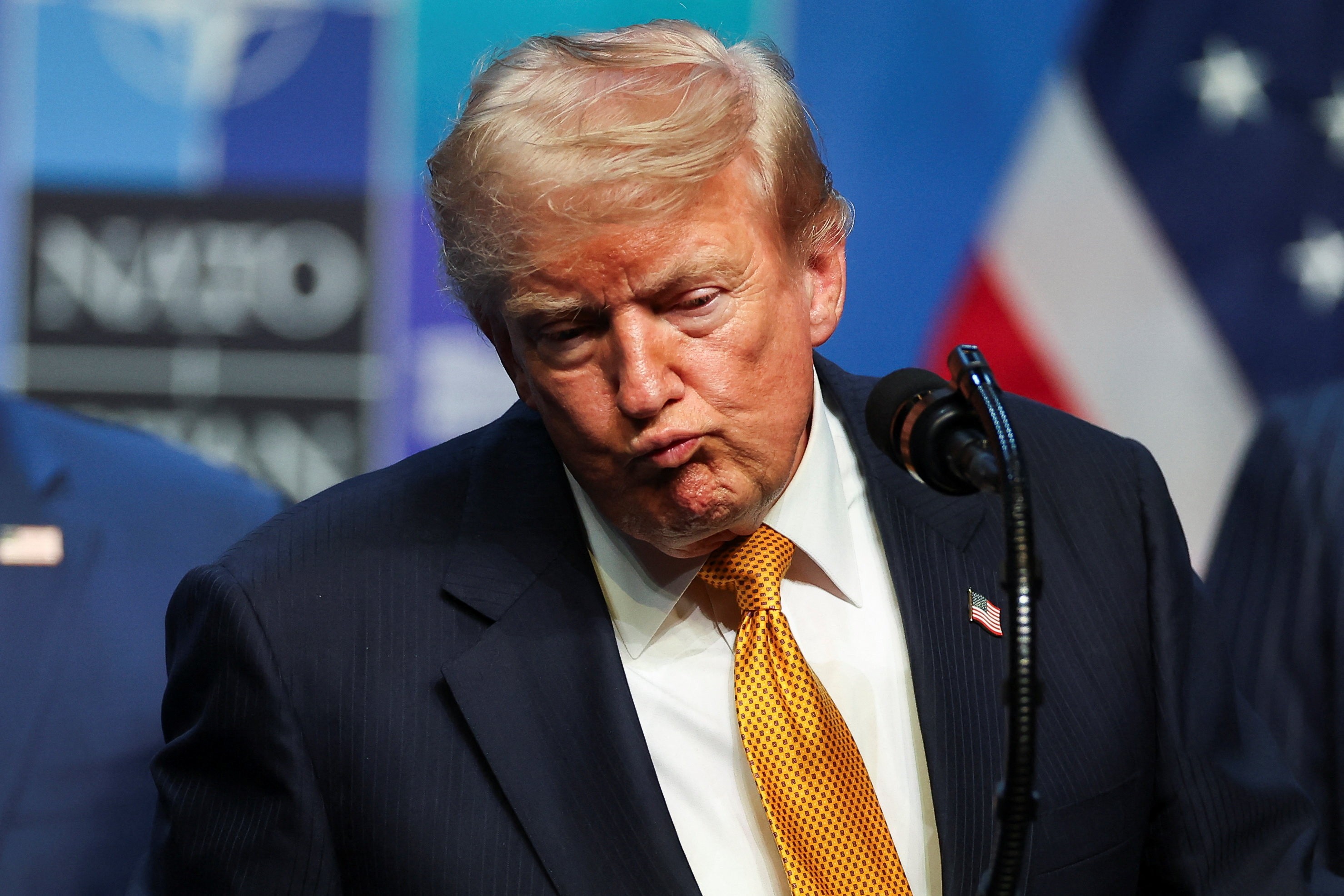
The United States announced new sanctions related to Iran on Friday, October 10, 2026, amid escalating tensions in the Strait of Hormuz. The measures target Ali Ansari, an Iranian banker and businessman based in Dubai, along with other individuals and entities. The U.S. Treasury Department stated that Ansari had previously been sanctioned by the United Kingdom for his alleged role in financially supporting the activities of Iran's Revolutionary Guard. The Treasury described Ansari as a "key financier" of the new Iranian leader, Mojtaba Khamenei, and accused him of diverting public funds to build an extensive portfolio of overseas real estate and business holdings. These funds allegedly benefited Ansari himself, members of the government elite, and the Islamic Revolutionary Guard Corps (IRGC). The Office of Foreign Assets Control (OFAC), part of the Treasury, also sanctioned significant Iranian exchange houses. The U.S. government asserted that these companies handled billions of dollars annually on behalf of already sanctioned Iranian banks, utilizing a network of shell companies to conceal illicit financial activities. These new sanctions follow a week of renewed confrontations, during which three commercial tankers from Qatar and Saudi Arabia were reportedly fired upon by Iran, according to the U.S. This incident led Washington to attack targets in Iran, which in turn responded with attacks on American military installations in Gulf countries.
The imposition of new U.S. sanctions on Iranian financial actors, including Ali Ansari and exchange houses, represents a continuation of economic pressure tactics. These actions are framed by the U.S. government as responses to Iran's alleged illicit financial activities and support for the IRGC, as well as retaliatory measures amid regional military escalations. From a systemic perspective, such sanctions aim to disrupt financial networks and limit resources available to targeted entities, potentially impacting their operational capacity and influence. However, the effectiveness of sanctions can be complex, often leading to unintended consequences such as humanitarian impacts on civilian populations or the development of more opaque financial channels to circumvent restrictions. The ongoing cycle of sanctions and counter-actions highlights the persistent geopolitical tensions and the challenges in achieving diplomatic resolutions through economic coercion alone. Future considerations may involve assessing the long-term efficacy of these measures against Iran's resilience and adaptability in the global financial landscape, particularly in the context of evolving international relations and technological advancements in financial tracking.
AI-generated to prompt reflection — not editorial opinion, not advice, not a statement of fact. How this works.