US Imposes New Tariffs on 60 Countries, Including 10% on Bangladesh
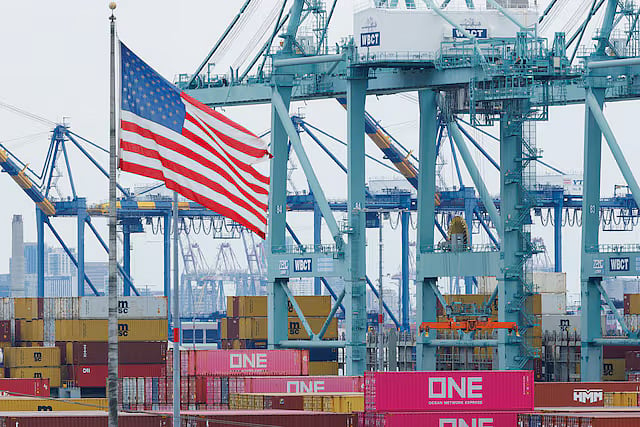
The United States is set to implement new tariff rates precisely as the previous 10% temporary global tariffs, initially imposed by former President Trump, expire. The existing tariffs are scheduled to end on Friday at 12:01 AM, at which point the new rates will become effective. This move impacts approximately 60 countries worldwide. The specific details of the new tariff structure and the full list of affected nations are expected to be announced imminently, following the expiration of the prior measures. Bangladesh is among the nations facing these new trade regulations, with a 10% tariff being applied.
The United States' decision to implement new tariffs on 60 countries, including Bangladesh, signifies a shift in global trade policy. This action, occurring immediately after the expiration of previous tariffs, suggests a strategic recalibration of international trade relationships. The imposition of tariffs can be viewed through the lens of economic protectionism, aiming to bolster domestic industries or address perceived trade imbalances. However, such measures often carry the risk of retaliatory actions from other nations, potentially leading to broader trade disputes and disruptions in global supply chains. For Bangladesh, a 10% tariff could impact its export competitiveness, necessitating adjustments in its trade strategies and potentially affecting economic growth. The long-term implications will depend on the specific sectors targeted, the duration of these tariffs, and the broader geopolitical and economic responses.
AI-generated to prompt reflection — not editorial opinion, not advice, not a statement of fact. How this works.