US Imposes New Tariffs Over "Forced Labor" Concerns, Affecting China and Taiwan
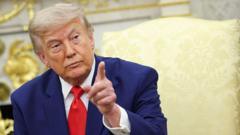
The United States has announced the imposition of tariffs ranging from 10% to 12.5% on 60 trading partners. The US cited these nations' alleged failure to effectively prohibit the import of products made with "forced labor" as the reason for the new duties. The measure impacts major economies including the European Union, Japan, Taiwan, and China. These new tariffs are set to take effect on Friday, July 24.
The US action introduces a new layer of trade friction, linking import restrictions directly to a nation's domestic labor practices and enforcement capabilities. This policy shift could incentivize countries to strengthen their oversight and regulatory frameworks concerning labor conditions to avoid economic penalties. However, it also presents a potential challenge for global supply chains, requiring businesses to meticulously audit their sourcing to ensure compliance. The effectiveness of such tariffs will depend on the clarity of "forced labor" definitions and the consistency of their application across diverse economic partners, potentially leading to complex geopolitical and economic negotiations.
AI-generated to prompt reflection — not editorial opinion, not advice, not a statement of fact. How this works.