US Imposes Sanctions on Iran, Raising Questions About War as Business
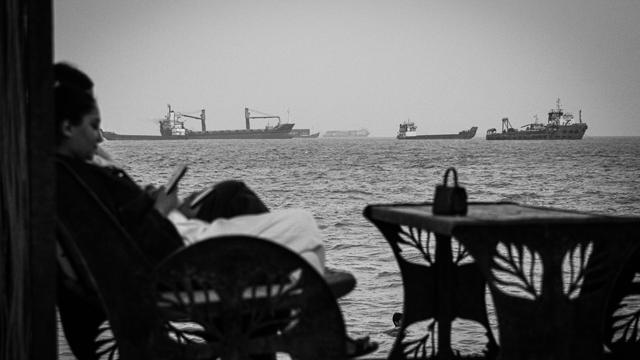
The United States has announced new sanctions targeting Iranian ports, alongside tariffs for vessels transiting the Strait of Hormuz. This move has sparked debate about whether the conflict is becoming a profitable venture for certain entities. The sanctions aim to exert economic pressure on Iran, potentially impacting its oil exports and access to international markets. The decision to impose tariffs on ships in the Strait of Hormuz, a critical chokepoint for global oil trade, could further escalate tensions in the region. Meanwhile, Germany has voiced opposition to potential sanctions against Israel, indicating a divergence in international approaches to regional conflicts and diplomatic relations.
The US imposition of sanctions on Iranian ports and tariffs on shipping in the Strait of Hormuz represents a significant escalation of economic pressure. This strategy raises questions about the potential for conflict to become financially incentivized, particularly if it disrupts trade routes and creates opportunities for alternative suppliers or intermediaries. The long-term implications of such measures on regional stability and global energy markets warrant careful consideration. Furthermore, Germany's contrasting stance on sanctions against Israel highlights the complex geopolitical landscape and differing national interests that shape international responses to conflict and human rights concerns. This dynamic underscores the challenge of achieving unified global action in addressing complex international disputes.
AI-generated to prompt reflection — not editorial opinion, not advice, not a statement of fact. How this works.