US Imposes Tariffs on 60 Countries Over Forced Labor Concerns
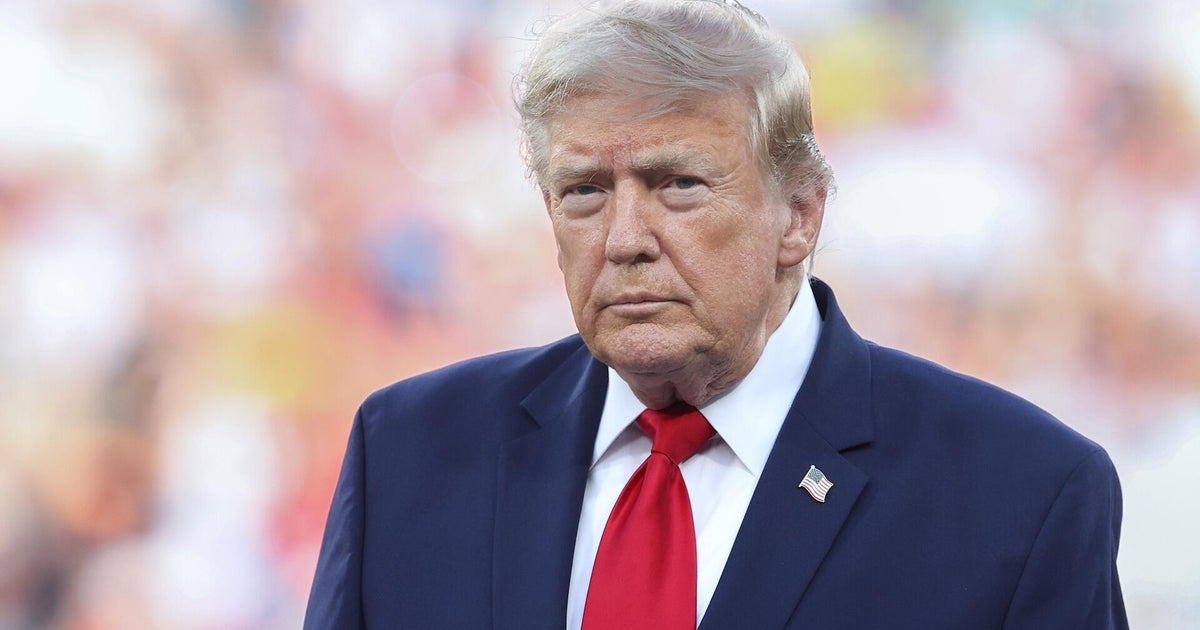
The White House has announced the imposition of tariffs on goods from 60 countries, citing concerns over forced labor practices. This move follows a Supreme Court ruling that required the Trump administration to establish a proper legal justification for such tariffs. The decision aims to address human rights issues in global supply chains by leveraging trade policy. The tariffs are intended to pressure countries to improve labor standards and eliminate exploitative practices. This represents a significant use of trade policy to enforce international human rights norms. The administration believes these measures are necessary to ensure fair competition and uphold ethical standards in international trade. The specific details of which goods from which countries will be affected are expected to be released.
CBS News' Nancy Cordes provided reporting on this development. The legal justification cited by the White House is crucial, as it addresses a previous judicial requirement for imposing such economic sanctions. This action underscores the growing international focus on supply chain transparency and accountability regarding labor conditions. The administration's approach signals a potential shift in how trade agreements and tariffs might be used to influence domestic labor practices in other nations.
The White House's decision to impose tariffs on 60 countries, citing forced labor, demonstrates a strategic use of trade policy to address human rights concerns. This approach leverages economic pressure to encourage compliance with international labor standards, potentially reshaping global supply chain dynamics. The requirement for a clear legal justification, as mandated by the Supreme Court, highlights the evolving intersection of trade law and human rights. Looking ahead, this policy could set a precedent for future trade negotiations and sanctions, emphasizing ethical sourcing and worker protections as critical components of international commerce in the AI era, where supply chain visibility is paramount.
AI-generated to prompt reflection — not editorial opinion, not advice, not a statement of fact. How this works.