US Imposes Tariffs on 60 Trade Partners Over Forced Labor Concerns
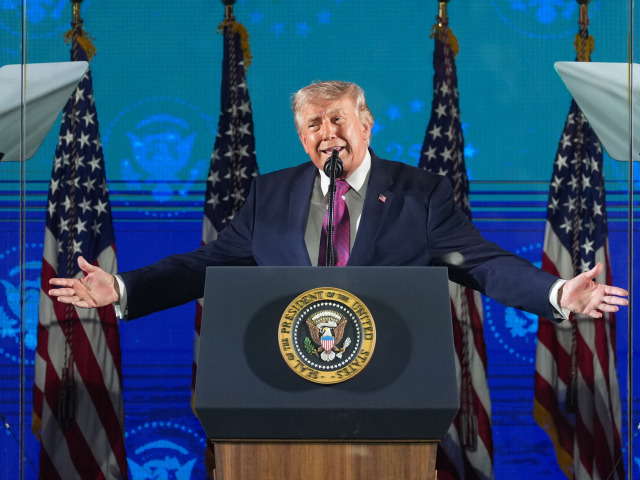
The administration of U.S. President Donald Trump has introduced new tariffs ranging from 10% to 12.5% on 60 trading partners. This action was taken due to alleged insufficient enforcement of prohibitions against forced labor. The European Union is among the countries affected by these new trade measures. The tariffs signal a significant step by the U.S. to pressure its global partners on labor practices. The specific enforcement mechanisms and the extent to which these tariffs will impact trade remain to be seen. This move reflects a broader U.S. policy focus on international labor standards and trade fairness.
The U.S. administration's imposition of tariffs on 60 trading partners, citing concerns over forced labor enforcement, highlights a strategic use of trade policy to influence international labor standards. This approach leverages economic pressure to encourage compliance with global norms, potentially reshaping supply chain dynamics and corporate accountability. The differential tariff rates suggest a nuanced strategy, possibly reflecting varying levels of perceived cooperation or the strategic importance of specific trade relationships. Future trade negotiations and international labor agreements may see increased emphasis on enforcement mechanisms, driven by such unilateral actions. This policy shift could incentivize countries to strengthen their domestic regulations and oversight concerning forced labor to avoid economic repercussions.
AI-generated to prompt reflection — not editorial opinion, not advice, not a statement of fact. How this works.